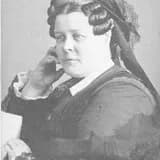
Receives the Royal Society of Canada’s Flavelle Medal for outstanding contributions to biology.
On 15 June 1948, Margaret Newton received the Flavelle Medal from the Royal Society of Canada, one of the Society’s highest awards for outstanding contributions to biological science.
The medal recognised the cumulative impact of Newton’s research on wheat stem rust and other cereal rust diseases, including her work characterising rust races, elucidating inheritance of virulence, and supporting the development of rust-resistant wheat varieties used across the Canadian prairies. Her findings had dramatically reduced crop losses, stabilised farmers’ incomes, and strengthened Canada’s position as a major wheat exporter.
The 15 June 1948 award highlighted the scientific stature of plant pathology and agricultural research at a time when such applied fields often received less recognition than more theoretical disciplines. For a woman scientist to receive the Flavelle Medal in the mid-20th century was especially notable, given the limited representation of women among previous recipients and among Fellows of the Society more broadly.
Newton’s Flavelle Medal reinforced her reputation as one of the leading cereal rust experts in the world and underscored the importance of integrating pathology, genetics, and agronomy to protect staple crops. It also contributed to her legacy as a trailblazer for women in STEM, demonstrating that women working in agriculture-related sciences could attain the very highest levels of national scientific recognition.