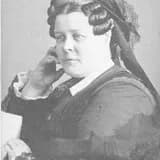
Margaret Newton earns a Ph.D. in plant pathology, reportedly the first Canadian woman with a doctorate in agricultural science.
On 10 June 1922, Margaret Newton received her Ph.D. in plant pathology from the University of Minnesota, for research focused on cereal rust diseases, particularly wheat stem rust caused by Puccinia graminis.
This doctorate made her reportedly the first Canadian woman to earn a Ph.D. in agricultural science or an agricultural field, a landmark for both women’s participation in advanced agricultural research and the emerging discipline of plant pathology. Achieving this in the early 1920s required overcoming entrenched skepticism about women in scientific laboratories and graduate programs, especially in agriculture, which was viewed as a male domain linked to farm management and field work.
Newton’s doctoral work deepened understanding of the biology, variation, and epidemiology of rust fungi on wheat and other cereals, laying the foundation for breeding rust-resistant varieties and for coordinated rust surveillance. The tools and concepts she developed would later be applied at Canada’s Dominion Rust Research Laboratory and in international programs.
The 10 June 1922 conferral of her Ph.D. thus stands as an educational and scientific breakthrough, signalling the entrance of Canadian women into the highest levels of agricultural science and establishing Newton as a leading expert whose findings helped protect prairie grain farmers and contributed to global food security.