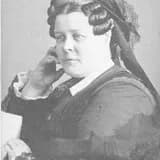
Government of Canada designates Margaret Newton a National Historic Person for her pioneering rust research.
On 26 June 1998, the Government of Canada formally designated Margaret Newton a National Historic Person, adding her to the federal register of individuals recognised as nationally significant in Canadian history.
This designation, administered through Parks Canada’s National Historic Commemorations program, honoured Newton’s pioneering research on rust-resistant grains and wheat stem rust, as well as her role as a model for Canadian women in science. Federal historians cited her meticulous rust race studies, leadership of the Dominion Rust Research Laboratory, and contributions to safeguarding Canada’s wheat-based economy as reasons for the recognition.
The 26 June 1998 designation underscored how Newton’s work had moved from being seen as specialised agricultural research to being acknowledged as integral to Canada’s broader historical narrative of science, agriculture, and nation-building. It placed her alongside leading figures in Canadian scientific and industrial history and highlighted the importance of women’s contributions to these fields.
The National Historic Person status also ensured ongoing public visibility through official plaques and interpretive materials, making her story accessible to educators, students, and visitors. In the context of women’s history, this commemoration signalled the Canadian state’s recognition of women scientists as central actors in shaping economic security and technological advancement, rather than peripheral contributors.