← All women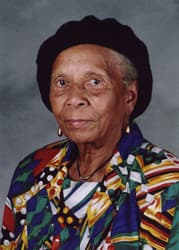
American · Arts · Activism
Margaret Burroughs
November 1, 1917 – November 21, 2010
Early Life and Background
Margaret Taylor-Burroughs was born on November 1, 1917, in St. Rose, Louisiana, and her family later moved to Chicago, Illinois. She grew up in the Bronzeville neighborhood, an area rich in African American culture during the Great Migration. Influenced by her community's vibrant intellectual and artistic life, Burroughs was inspired to channel her talents into both the arts and education.
Education and Career Beginnings
After high school, Burroughs attended the Chicago Teachers College, earning a teaching certificate. She then completed a degree in education at the Illinois Institute of Technology and later earned a Master of Fine Arts from the School of the Art Institute of Chicago. Burroughs began her teaching career in the Chicago public schools, becoming both a mentor and advocate for African American students. During this time, she nurtured her passion for painting and printmaking, using her art to express themes of African American culture and civil rights.
Founding the DuSable Museum
In 1961, Margaret and her husband, Charles Burroughs, transformed their home into what would become the DuSable Museum of African American History. Named after Chicago’s first permanent non-Indigenous settler, the Haitian Jean Baptiste Point du Sable, the museum was one of the first of its kind in America. It provided a critical platform for showcasing African American history and art, educating the public on the richness of Black culture. Under Margaret's leadership, the museum grew in prominence, eventually moving to larger facilities in Washington Park.
Artistic Contributions and Activism
Burroughs was not only known for her administrative talents but also for her own artworks, which often depicted powerful images of African American life and struggles. Her printmaking and paintings celebrated her community, emphasizing themes of unity and resilience. As an activist, she participated in the Black Arts Movement and advocated for civil rights, emphasizing art's role in social change. Her efforts made significant strides in bringing African American history and achievements into broader public consciousness.
Awards and Recognition
Burroughs received numerous accolades throughout her life, including honorary doctorates from several universities. Her work in the arts and education was recognized by community organizations and national institutions. The city of Chicago honored her contributions by naming a public park after her in 1985.
Legacy and Later Life
Throughout her later years, Burroughs continued to influence the city’s cultural and educational landscape, serving on the Chicago Park District board and continuing to advocate for museums and cultural representation. Her legacy lives on through the institutions she helped found and the countless individuals she inspired. On November 21, 2010, Margaret Burroughs passed away, leaving behind a powerful legacy that continues to resonate today.
Personal Life
Margaret married Charles Gordon Burroughs in 1939. They shared a deep commitment to cultural preservation and education, evident in their lifelong partnership. Though they had no children, their legacy lives on through the many lives they touched in their community.
Dated achievements
2 indexed.
- Nov011917Arts
Margaret Burroughs is born
Birth of Margaret Taylor-Burroughs in St. Rose, Louisiana.
View details Margaret Taylor-Burroughs - Wikipedia - Nov212010Arts
Death of Margaret Burroughs
Margaret Burroughs passed away on November 21, 2010, in Chicago.
View details