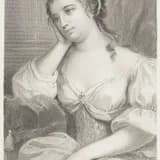
Her masterpiece La Princesse de Clèves was published anonymously in Paris, later hailed as the first modern psychological novel in French literature.
On March 16, 1678, the novel La Princesse de Clèves was published anonymously in Paris by the bookseller Claude Barbin. Although the work appeared without an author's name—a common practice for women writers of the period seeking to avoid scandal or scrutiny—it was quickly attributed within literary circles to Madame de La Fayette, working in close collaboration with her friend and fellow writer La Rochefoucauld.
Set in the court of Henri II decades earlier, the novel broke new ground by focusing almost entirely on the interior psychological and moral struggles of its heroine, who confesses her forbidden love to her husband and ultimately renounces romantic passion after his death. This intense focus on inner consciousness, moral conflict, and restrained emotional analysis, rather than external adventure or intrigue, led many scholars to regard it as the first modern psychological novel in Western literature.
The book caused an immediate sensation, provoking public debate—including a famous published questionnaire asking readers whether the princess was right to confess her feelings to her husband. Its narrative innovations influenced the development of the novel form across Europe for centuries, and it remains a cornerstone of the French literary canon, still widely taught and read today, over three centuries after its publication.