← All women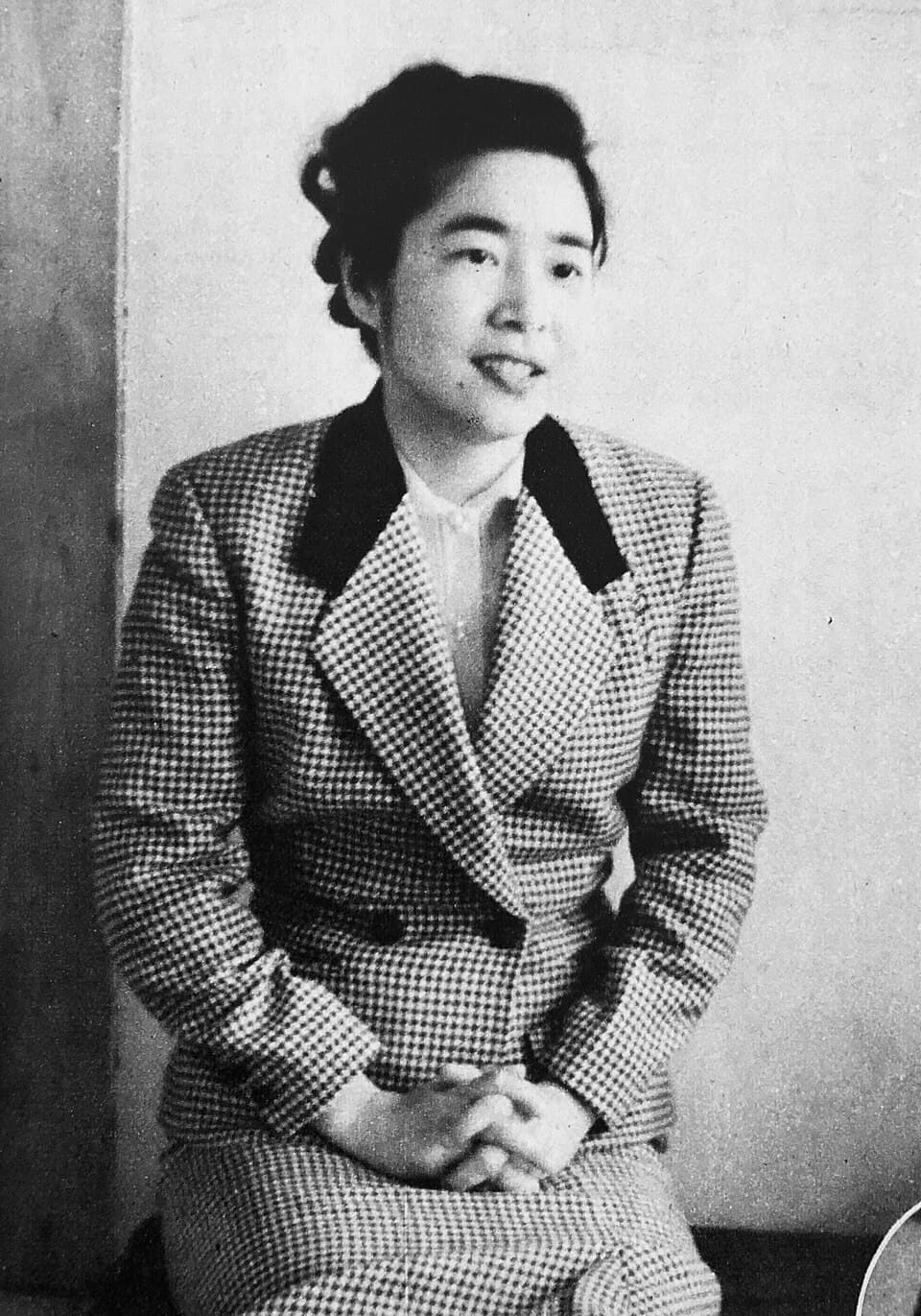
Japanese · Arts · Literature
Machiko Hasegawa
January 30, 1920 – May 27, 1992
Early Life and Background
Machiko Hasegawa was born on 30 January 1920 in the city of Saga, in Saga Prefecture on the island of Kyushu, Japan. She was the third of four daughters born into a middle-class family. Her father worked in local government, and although the family valued education, the era placed significant constraints on the roles women were expected to pursue. Despite these societal norms, Hasegawa displayed an early passion for drawing and storytelling, filling notebooks with sketches from childhood.
Her family relocated multiple times during her youth, and Hasegawa eventually attended school in Tokyo, where she was exposed to the vibrant world of Japanese newspaper cartooning, known as manga, which was still a relatively young and male-dominated art form. She graduated from a women's art school, an unusual path for a young woman of her generation, and her talent was recognized early by teachers and peers alike.
Career Beginnings
At the age of 16, Hasegawa was accepted as a live-in apprentice to Suihō Tagawa, the celebrated creator of the popular comic strip Norakuro, about a stray dog who joins the army. This apprenticeship was highly unusual for a young woman at the time, as the manga profession was almost exclusively populated by men. Working under Tagawa gave Hasegawa rigorous technical training in composition, comic timing, and narrative pacing, skills she would later deploy to devastating comedic and emotional effect in her own work.
During World War II, Hasegawa's family, like many others, endured hardship, displacement, and the destruction wrought by Allied bombing campaigns. These experiences of wartime deprivation and postwar reconstruction would deeply inform the tone and subject matter of her most famous creation, which portrayed ordinary Japanese family life with warmth, humor, and gentle social commentary.
Major Works and Accomplishments
On 22 April 1946, less than a year after Japan's surrender in World War II, Hasegawa began publishing Sazae-san, a four-panel gag comic strip in the Fukunichi Shimbun, a regional newspaper based in Fukuoka. The strip followed Sazae, a spirited, occasionally scatterbrained but fiercely independent young woman, along with her extended family — her parents, siblings, husband Masuo, and eventually her children — as they navigated the joys, frustrations, and small absurdities of daily domestic life in postwar Japan.
Sazae-san stood apart from contemporary comics both because it was created by a woman and because its central character was an assertive, capable woman who did not conform neatly to traditional expectations of feminine passivity. The strip captured a Japan in transition: rationing, rebuilding, the arrival of new consumer goods, shifting gender roles, and the tensions between tradition and modernity. Hasegawa's keen eye for the small comedies of household life — squabbles between family members, misunderstandings, minor domestic disasters — resonated deeply with readers who had lived through the devastation of war and were rebuilding their lives.
In 1949, Hasegawa moved the strip to the Asahi Shimbun, one of Japan's largest and most prestigious national newspapers, dramatically expanding her readership. The strip continued running in the Asahi Shimbun until 1974, spanning nearly three decades and chronicling changes in Japanese society across a pivotal historical period, from postwar poverty through the "economic miracle" years of rapid industrial growth.
In 1969, an animated television adaptation of Sazae-san premiered on Fuji Television. The anime continued long after Hasegawa ceased producing new print installments, and remarkably, it remains on air today, having never gone off the network. This unbroken run has earned Sazae-san recognition from Guinness World Records as the longest-running animated television series in the world, a record it has held for decades and continues to extend.
Beyond Sazae-san, Hasegawa created other manga works, though none achieved the towering cultural status of her signature creation. She was also known as an avid art collector, amassing a personal collection of Japanese and Western paintings and antiques over her lifetime, reflecting sophisticated tastes cultivated through her successful career.
Awards and Recognition
Hasegawa received numerous honors during her lifetime and posthumously in recognition of her contributions to Japanese popular culture and to the advancement of women in the arts. She was among the first women inducted into halls of recognition celebrating Japanese cartoonists, and her work has been the subject of retrospectives and academic study examining postwar Japanese social history through the lens of popular media.
In 1985, seven years before her death, the Hasegawa Machiko Art Museum (長谷川町子美術館) opened in the Sakura-Shinmachi area of Setagaya, Tokyo, funded by Hasegawa herself to showcase both her own original manga artwork and her personal collection of fine art and antiques. The museum remains open today as a tribute to her legacy and a resource for scholars and fans of Japanese comic art.
Personal Life
Hasegawa was famously private and never married, devoting her life primarily to her craft and to the care of her family, with whom she remained close throughout her life. She lived with her sisters for much of her adult life, and family members later helped manage her estate, artistic legacy, and the museum established in her name. Unlike her fictional creation Sazae, who marries and raises a family within the strip's narrative, Hasegawa herself charted an independent professional path uncommon for women of her generation, prioritizing her artistic career.
Legacy and Historical Impact
Machiko Hasegawa is widely regarded as one of the pioneering women of the Japanese manga industry, entering and succeeding in a field that was almost entirely male-dominated during the 1940s and 1950s. Her success demonstrated that female cartoonists could achieve mainstream, mass-market appeal, and she is frequently cited as an inspiration by subsequent generations of female manga artists who followed in subsequent decades, particularly those who would go on to create and expand the shōjo (girls') manga genre.
Sazae-san itself became deeply embedded in Japanese cultural life. The character's name entered common usage, and the "Sazae-san syndrome" — a colloquial Japanese term describing the melancholy felt on Sunday evenings before the workweek begins, tied to the anime's Sunday evening broadcast slot — remains a widely recognized cultural phenomenon. Statues of Sazae-san and her family have been erected in public spaces, including a well-known bronze statue near Sakura-Shinmachi Station in Tokyo, commemorating Hasegawa's connection to the neighborhood.
Later Life and Death
Hasegawa gradually stepped back from actively producing new Sazae-san strips in the 1970s, though the anime adaptation continued to run using existing storylines and new scripts developed by other writers and studios under license. She spent her later years managing her art collection and overseeing the museum bearing her name.
Machiko Hasegawa died on 27 May 1992 in Tokyo at the age of 72. Her death was mourned across Japan as the loss of one of the nation's most beloved cultural figures. Tributes emphasized her role not only as a beloved entertainer but as a trailblazer who opened doors for women in commercial art and journalism. Her legacy continues through the ongoing broadcast of the Sazae-san anime — still airing new episodes on Fuji TV decades after her death — the enduring popularity of her characters, and the continued operation of the Hasegawa Machiko Art Museum, which preserves her artistic and personal legacy for new generations of visitors and scholars of Japanese cultural history.
Dated achievements
3 indexed.
- Jan301920Science
Birth of Machiko Hasegawa in Saga, Japan
Machiko Hasegawa was born on 30 January 1920 in Saga Prefecture, Japan, the manga artist who would create Sazae-san.
View details Machiko Hasegawa - Wikipedia - Apr221946Science
Sazae-san begins serialization
Hasegawa launched her landmark comic strip Sazae-san, becoming one of Japan's first successful female manga artists.