← All women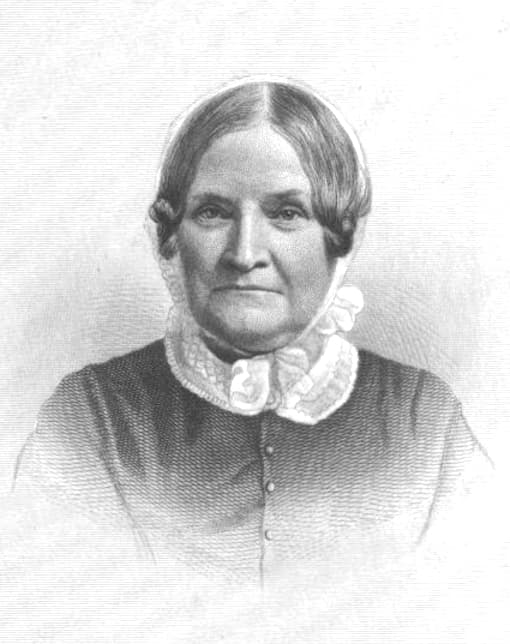
American · Activism · Literature
Lydia Child
February 11, 1802 – October 20, 1880
Early Life and Background
Lydia Maria Child, born on February 11, 1802, in Medford, Massachusetts, was a pioneering American writer and social reformer. Her parents were Convers and Susannah Francis, and the family was of Puritan descent. She lost her mother at the age of twelve, an event that profoundly influenced her life and work. Lydia was educated at a local high school and later under the guidance of her brother, Convers Francis, who became a Unitarian minister. Her exposure to books and the abolitionist movement during these formative years laid the foundation for her future advocacy undertakings.
Career Beginnings and Development
Child began her literary career in her early 20s, publishing her first novel, Hobomok, in 1824. This marked the beginning of a prolific writing career spanning four decades. Her works often addressed the societal injustices she observed, including slavery, Native American rights, and women’s rights. In 1828, she launched the Juvenile Miscellany, the first American children’s magazine, which made her one of the country’s most influential female authors.
Major Works, Discoveries, or Accomplishments
Her groundbreaking work, An Appeal in Favor of That Class of Americans Called Africans (1833), was one of the first books by a white American to denounce slavery and was instrumental in shaping public opinion against the institution. This publication poised her as a leading figure in the abolitionist movement and cost her many friendships and subscriptions to her magazine due to its controversial stance.
Awards, Honors, and Recognition
Throughout her life, Child was acclaimed for her contributions to American literature and social reform. Despite experiencing ostracism for her unpopular opinions, she was posthumously recognized as a pioneer in promoting human rights and social justice.
Personal Life
In 1828, Lydia married David Lee Child, a fellow abolitionist and journalist. They lived in various locations, enduring financial hardships and societal backlash for their views. Despite these challenges, their partnership in activism remained steadfast throughout their marriage. The Childs did not have children, but Lydia devoted much of her life to mentoring younger abolitionists and authors.
Legacy and Historical Impact
Lydia Maria Child left an indelible impact on American literature and social justice. Her written works and passionate advocacy for the downtrodden influenced subsequent generations of reformers and writers. Her clean prose and empathetic perspective continue to resonate in discussions about race and gender equality.
Later Life and Death
Spending her later years in Wayland, Massachusetts, she continued to write and support her causes until her death on October 20, 1880. Her home, now a National Historic Landmark, serves as a testament to her lifelong commitment to social equity.
Dated achievements
3 indexed.
- Feb111802Literature
Birth of Lydia Maria Child
Lydia Maria Child, influential author and activist, was born on February 11, 1802, in Medford, Massachusetts.
View details Wikipedia article on Lydia Maria Child - Oct201833Activism
Publication of 'An Appeal in Favor of That Class of Americans Called Africans'
Child published 'An Appeal in Favor of That Class of Americans Called Africans' on October 20, 1833.