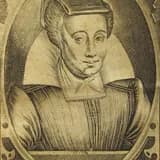
On 27 September 1601, Bourgeois successfully delivered the future Louis XIII at Fontainebleau, launching her long tenure as royal midwife.
On 27 September 1601, Louise Bourgeois attended Marie de Medici, wife of King Henry IV, and successfully delivered her first child, the future King Louis XIII of France, at the Château de Fontainebleau. This delivery was an event of enormous dynastic and political significance, as it produced the long-awaited male heir to the French throne after years without a legitimate direct heir from the reigning king.
Bourgeois's selection to attend the queen for this critical birth demonstrates the trust placed in her skill despite the male-dominated medical establishment of the era, which increasingly included physicians eager to assert authority over childbirth. Her successful management of the delivery, without complication to mother or child, cemented her reputation and led directly to her appointment as official midwife to the royal household.
This achievement was foundational to her subsequent career: over the following eight years she would attend all six of Marie de Medici's pregnancies, becoming one of the most trusted medical figures in the French court. The successful delivery of a male heir also had far-reaching historical consequences, as Louis XIII would reign for 33 years and preside over the rise of Cardinal Richelieu's France.
Her role in this birth is frequently cited as the turning point that elevated her from a guild-certified midwife to a figure of national historical importance, whose subsequent writings would draw directly on this royal experience.