← All women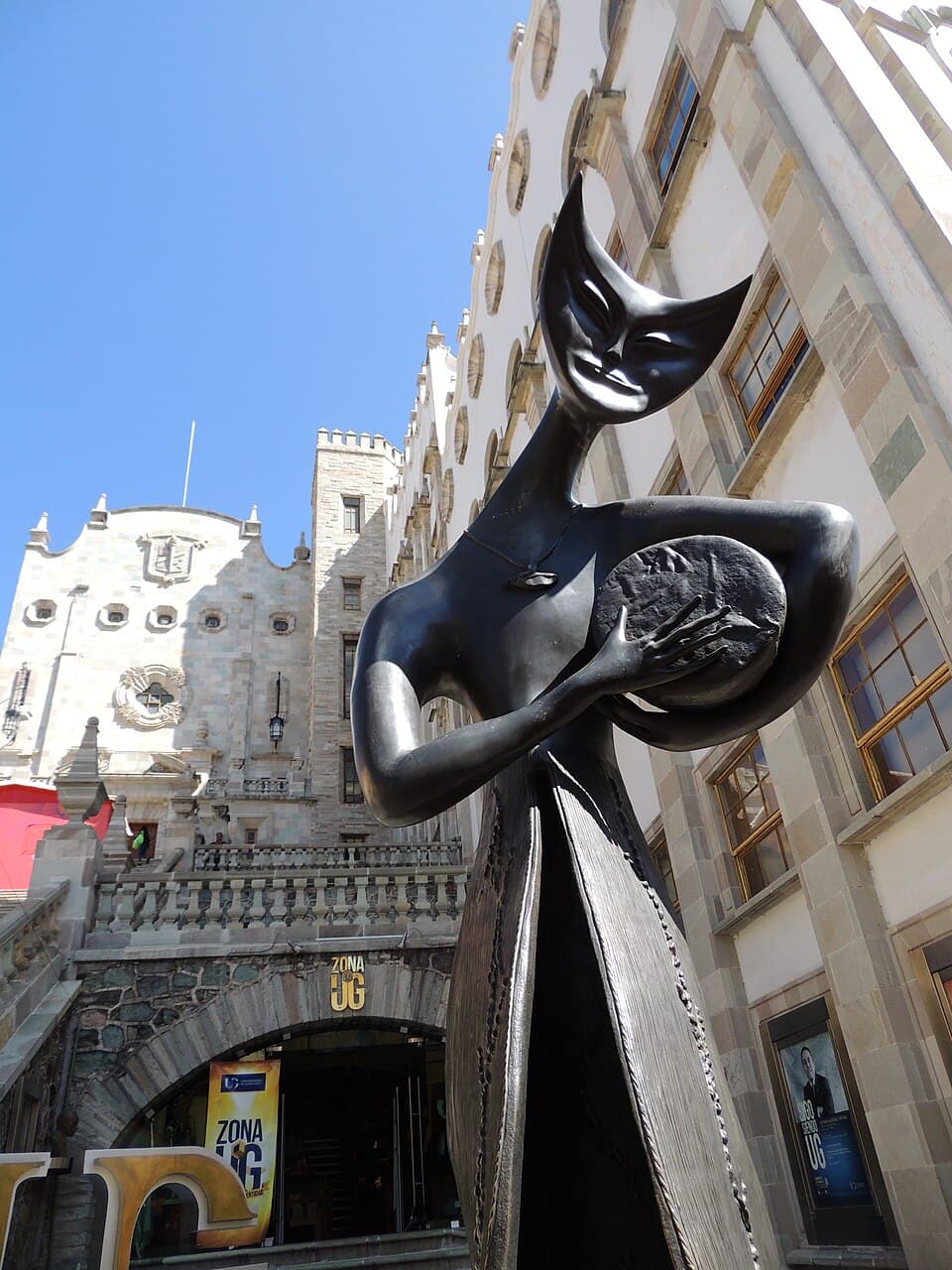
British, Mexican · Arts · Literature
Leonora Carrington
April 6, 1917 – May 25, 2011
Early Life and Background
Leonora Carrington was born on April 6, 1917, in Clayton Green, Chorley, Lancashire, England. She was the daughter of a wealthy textile manufacturer, Harold Carrington, and his wife, Maurie Moorhead Carrington. Raised in a privileged environment, Carrington’s early education was eclectic; she attended various schools in England and France, including the Chelsea School of Art, where she studied under Amédée Ozenfant. Her rebellious nature and fascination with art and literature characterized her youth, setting the stage for her future creative endeavors.
Career Beginnings and Development
In 1937, Carrington met German surrealist artist Max Ernst at a dinner party, a meeting that would profoundly influence her work and life. She moved to Paris to join the Surrealist movement, immersing herself in a vibrant artistic community. Her early works, such as "The House Opposite," showcased her burgeoning interest in the mythical and the fantastical. Carrington exhibited her first serious work at the 1938 International Surrealist Exhibition in Paris.
Major Works and Accomplishments
Carrington's renowned works encompass both painting and literature, reflecting her multifaceted talent. Her paintings, characterized by dream-like imagery, include The Horses of Lord Candlestick (1938) and The Oval Lady (1939). In parallel, her written works, such as The Hearing Trumpet (1950), a surrealistic novel, demonstrated her narrative prowess. Carrington’s art is marked by its exploration of female identity, mythology, and magic, themes that resonated with her experiences and the surrealist ideology.
Awards, Honors, and Recognition
While Carrington’s contributions were initially underappreciated relative to her male counterparts, her legacy was later recognized with numerous retrospectives and exhibitions worldwide. In 2005, the Mexican government awarded her the National Prize for Arts and Sciences, one of the country's most esteemed honors, acknowledging her as a pivotal figure in both Mexican and global surrealist art.
Personal Life
Carrington’s personal life was as unconventional as her art. Her stormy relationship with Max Ernst ended during World War II. While living in France, she was traumatized by Ernst’s arrest by the Nazis, leading to a significant psychological breakdown. After fleeing to Spain, she met and later married Mexican diplomat and writer Renato Leduc, which granted her passage to Mexico. She eventually settled in Mexico City, a place that became her creative haven and where she spent most of her life. She later married photographer Emerico Weisz, with whom she had two sons.
Legacy and Historical Impact
Leonora Carrington's work continues to inspire contemporary artists and feminists. Her contributions to Surrealism have gained greater recognition over time, highlighting her unique voice in art and literature. As one of the few women active in the male-dominated surrealist movement, Carrington’s explorations of femininity and her critiques of patriarchal structures resonate deeply with modern audiences.
Later Life and Death
In her later years, Carrington remained active in the artistic community. She continued to explore new media, including sculpture, until her health began to decline. Leonora Carrington passed away on May 25, 2011, in Mexico City, leaving behind a rich legacy of creativity that transcended conventional boundaries, both geographic and artistic.
Dated achievements
2 indexed.
- Apr061917Arts
Birth of Leonora Carrington
Leonora Carrington was born on April 6, 1917, in England.
View details Leonora Carrington Biography - Britannica - May252011