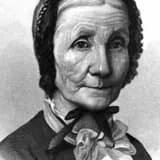
Birth of abolitionist, educator, and reformer Laura Smith Haviland in Canada to Quaker parents.
Laura Smith Haviland was born on December 20, 1808, in Canada, into a Quaker family whose anti-slavery convictions shaped her earliest worldview. Sources differ on the exact place within present-day Ontario, but they consistently place her birth in Canada and identify her as the daughter of Quaker parents who later moved the family to New York. This upbringing mattered: Quaker teachings condemned slavery, and that moral framework became foundational to her lifelong activism.
Haviland’s birth is historically significant not because it was exceptional in itself, but because it marked the arrival of a woman who would become one of the most persistent abolitionists and reformers in Michigan and beyond. In an era when women had few formal avenues for public leadership, she would develop a career of organizing, education, nursing, lecturing, and Underground Railroad assistance that crossed racial, regional, and political boundaries. Her early life in a religious community that emphasized conscience and equality provided the base from which she later challenged slavery, segregation, and social exclusion.
Her later work would demonstrate how a woman raised in a restrictive nineteenth-century society could nonetheless exert national influence through moral suasion, practical aid, and institution-building. The date of her birth is securely established and serves as the starting point for understanding a life spent pushing against the limits of her time.