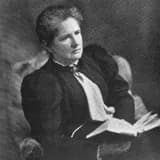
Richards, with sisters Maud Howe Elliott and Florence Howe Hall, won the inaugural Pulitzer Prize in Biography for "Julia Ward Howe," making her among the first women to win a Pulitzer.
On June 4, 1917, the very first Pulitzer Prizes in American history were announced, and Laura E. Richards, together with her sisters Maud Howe Elliott and Florence Howe Hall, received the inaugural Pulitzer Prize in Biography for their work 'Julia Ward Howe, 1819–1910'—a comprehensive biography of their mother.
This achievement placed Richards among the very first women in history to win a Pulitzer Prize, at a time when few women received major national literary honors. The award recognized the sisters' meticulous and affectionate portrait of Julia Ward Howe, capturing her life as a poet, abolitionist, and suffragist, and situating her within the broader currents of nineteenth-century American reform movements.
The collaborative nature of the biography—written by three daughters honoring their mother's legacy—added a unique dimension to the award, blending personal memory with historical scholarship. It underscored the significance of women's contributions not just to literature, but to documenting and preserving women's history at a pivotal moment when the suffrage movement was gaining momentum in the United States.
This recognition capped decades of Richards's own literary achievement and cemented her family's multigenerational impact on American letters, reform, and biography. The prize remains a landmark moment in the history of the Pulitzer Prizes and in the recognition of women's literary contributions.