← All women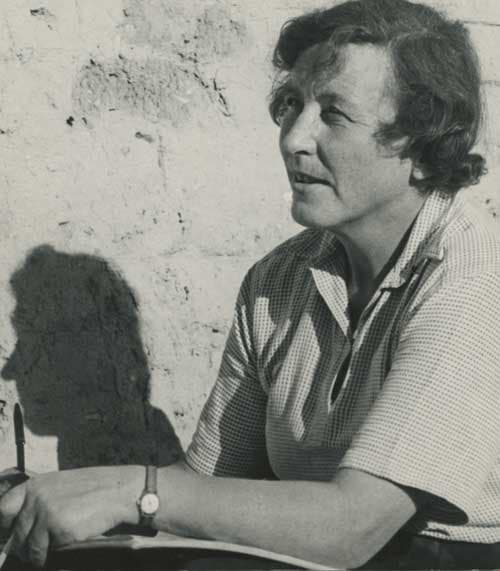
British · Exploration · Science
Kathleen Kenyon
January 5, 1906 – August 24, 1978
Early Life and Background
Kathleen Mary Kenyon was born on January 5, 1906, in London, England, into an influential family. Her father, Sir Frederic Kenyon, was a noted biblical scholar, instilling in her an early familiarity with archaeological pursuits. Educated at St. Paul's Girls' School and Somerville College, Oxford, she graduated in 1929. Kenyon's early experiences in archaeology were shaped by working under renowned Egyptologist Sir Flinders Petrie, which sparked her passion for the field and established a strong methodological foundation.
Career Beginnings and Development
After university, Kenyon joined the renowned British School of Archaeology in Jerusalem, where she honed her skills in excavation and stratigraphic analysis. Her meticulous approach was evident during the Samaria excavations in the 1930s, setting a new standard in archaeological rigor. Following World War II, her directorship at the University of London's Institute of Archaeology cemented her influence as a leader in the field.
Major Works and Discoveries
Kathleen Kenyon's legacy is largely tied to her groundbreaking excavations at Jericho (1952-1958) and Jerusalem (1961-1967). At Jericho, her work uncovered the world’s oldest known continuously inhabited site, pushing back the timeline of human civilization and significantly contributing to our understanding of early urban development. Her excavation methods, particularly the Wheeler-Kenyon Method, revolutionized archaeological fieldwork.
Awards, Honors, and Recognition
Over her career, Kenyon received numerous accolades, including becoming a Dame Commander of the Order of the British Empire (DBE) in 1973 for her services to archaeology. Her scholarly works, such as "Digging Up Jericho" and "Archaeology in the Holy Land," reflected her expert knowledge and inspired generations of archaeologists.
Personal Life
Kenyon, who never married, dedicated her life to archaeology and the promotion of women in the field. Her personal contributions were less about family and more about nurturing the scientific community through leadership and mentorship.
Legacy and Historical Impact
Kathleen Kenyon's methodological innovations and her dedication to precise fieldwork have had lasting impacts on archaeology. By establishing clear stratigraphic techniques and emphasizing the importance of contextual evidence, she set standards that continue to influence archaeological practices worldwide. Her findings at Jericho and Jerusalem remain pivotal for understanding early human settlements and biblical history.
Later Life and Death
In her later years, Kenyon remained active in academia, writing extensively and guiding young archaeologists. She passed away on August 24, 1978, at her summer home in Wrexham, Wales. Her contributions continue to resonate, underscoring the enduring importance of careful scientific inquiry in understanding human history.
Dated achievements
2 indexed.
- Jan051906Exploration
Birth of Kathleen Kenyon
Kathleen Kenyon was born on January 5, 1906, in London, England.
View details Kathleen Kenyon - Britannica - Aug241978Exploration
Death of Kathleen Kenyon
Kathleen Kenyon passed away on August 24, 1978, in Wrexham, Wales.
View details