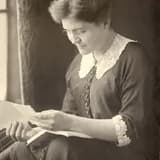
Marries broadcast writer Edward Hale Bierstadt; the marriage ends in divorce two years later.
On July 2, 1920, Josephine Roche married Edward Hale Bierstadt, a broadcast writer, in a ceremony that briefly joined two New York–based professionals engaged with the worlds of media and public life.[5] The marriage, however, lasted only two years before ending in divorce in 1922.[5]
Roche’s short‑lived marriage is notable partly because she remained childless and never remarried, a choice that distinguished her from many contemporaries. In the early twentieth century, professional women were often pressured to leave public careers upon marriage; Roche instead continued to build an ambitious trajectory in social work, government, and industry.
During these years she held positions in the U.S. Children’s Bureau and engaged in child‑labor and welfare policy, indicating that marriage did not derail her reform commitments.[5][3] The eventual dissolution of the union underscored her prioritization of professional and political work over conventional domestic roles.
Historically, the July 1920 marriage illustrates the gendered constraints facing women reformers and the ways Roche navigated them. By the mid‑1920s she had moved increasingly toward industrial and labor issues in Colorado, eventually taking over her father’s coal interests. Her decision to live as a single woman thereafter facilitated the independence required to run a major coal company, battle with mine owners, work in high‑level federal office, and direct a massive union welfare fund. Though not an achievement in the sense of a public first, the marriage and its end helped shape the personal circumstances that enabled Roche’s extraordinary public life.