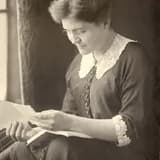
Dies at age 89 at Fernwood House in Bethesda, Maryland, after a lifetime in labor reform and federal service.
On July 13, 1976, Josephine A. Roche died at age 89 at Fernwood House in Bethesda, Maryland, concluding a long career as an industrialist, labor advocate, and federal official.[5][18] The New York Times obituary records her death on that date and notes that she had remained active in public affairs well into old age.[18]
By the time of her death, Roche’s legacy encompassed multiple pioneering roles: Colorado’s first policewoman; president of a major coal company that embraced unionization; the first woman Assistant Secretary of the Treasury; and founding director of the United Mine Workers’ Welfare and Retirement Fund.[5][11][16] She had helped shape the Social Security Act, championed federal responsibility for health care, and influenced the eventual creation of Medicare and Medicaid.[11][15][4]
Her passing in Bethesda, near the nation’s capital, symbolized the extent to which she had become a Washington figure as well as a Colorado reformer. Yet she never relinquished her identification with miners and working families, continuing to advise labor organizations and health‑policy initiatives after stepping down from formal roles.
Historically, the July 13, 1976 date anchors reflections on the trajectory of twentieth‑century progressivism. Roche’s life traced the arc from Progressive Era social work through New Deal state‑building to mid‑century union welfare programs. Her death prompted assessments of how one woman, leveraging both corporate power and government office, had helped to redefine the relationship between labor, industry, and the federal state. The date thus marks not only the end of an individual life but the close of a remarkable chapter in American reform history.