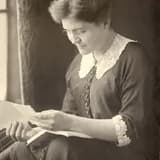
Graduates from Vassar College with a B.A., a formative step toward her career in social reform and labor advocacy.
On June 10, 1908, Josephine Roche graduated from Vassar College with a Bachelor of Arts degree, joining the Class of 1908 at the college’s formal commencement exercises.[1][3] Vassar, a leading women’s college, was a center of progressive thought, and Roche later described her years there as profoundly formative.[14][20]
At Vassar she immersed herself in economics, sociology, and the emerging field of social work, absorbing ideas about settlement houses, child labor reform, and the social responsibilities of industry. Her professors and peers exposed her to the conviction that rigorous scholarship could be harnessed for social change, an outlook that would guide her for the rest of her life.[1][3][13]
This graduation marked her transition from student to professional reformer. Immediately after receiving her degree she moved to New York City, where she entered Columbia University’s School of Social Work and began research for the Russell Sage Foundation on child labor and immigrant working conditions.[3] The Vassar degree gave Roche both academic legitimacy and a powerful network of women reformers operating in Progressive Era organizations.
In the context of early twentieth‑century gender norms, a woman’s completion of an elite liberal‑arts education was still exceptional. Roche used the intellectual tools and confidence she gained at Vassar to challenge corporate power, advocate for miners, and later help design national welfare legislation. Her 1908 commencement thus stands as a key milestone in the making of a radical industrialist and New Deal policy architect.