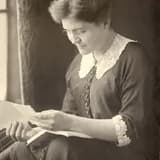
Senator Wayne Morse credits Roche’s long health‑care advocacy as influential in achieving Medicare and Medicaid.
On July 30, 1965, the day after President Lyndon B. Johnson signed Medicare and Medicaid into law, Senator Wayne Morse publicly credited Josephine Roche’s decades of advocacy for health care and miners’ medical benefits as a significant influence on making "medical care for the aged" possible.[4]
Roche had long argued that the federal government bore responsibility for ensuring access to health care, a conviction she pursued as Assistant Secretary of the Treasury and as director of the UMWA Welfare and Retirement Fund.[11][13] Through the fund she helped build a network of union‑supported hospitals and clinics, demonstrating that organized financing could expand medical services for working people.
Senator Morse’s 1965 remarks, recorded in accounts of Roche’s life, explicitly linked her pioneering work in labor‑based health benefits to the broader national movement that produced Medicare and Medicaid.[4] Though she did not draft the legislation herself, her ideas and practical experiments with health‑care financing influenced policymakers’ understanding of what was possible.
The recognition on July 30, 1965 underscores Roche’s role as an intellectual and institutional forerunner of public health insurance. At a time when many Americans still viewed government‑backed medical care with suspicion, her record of successfully administering miners’ benefits offered a real‑world model. The Medicare and Medicaid laws transformed access to health care for elderly and low‑income Americans; Morse’s tribute situates Roche within the long struggle that made those programs politically viable, highlighting the enduring impact of her combined labor activism and health‑policy vision.