← All women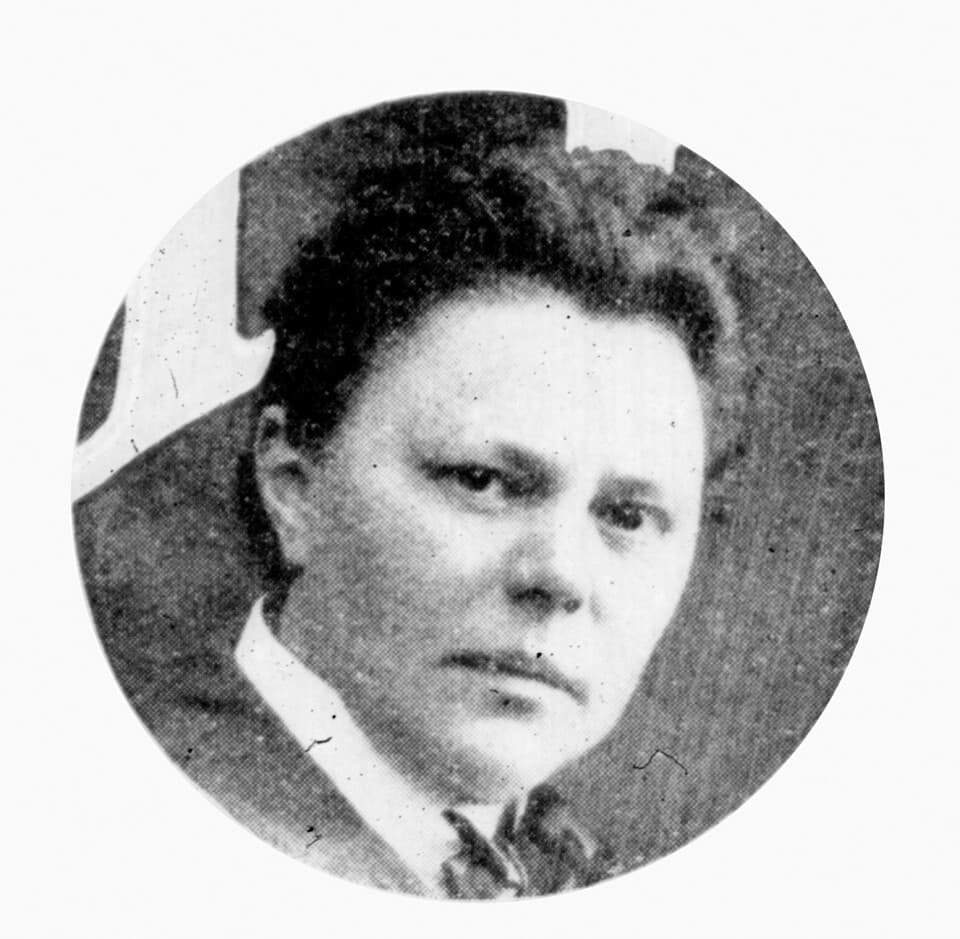
German · Activism · Literature
Johanna Elberskirchen
April 11, 1864 – May 17, 1943
Early Life and Background
Johanna Elberskirchen was born on April 11, 1864, in the town of Bonn, Germany. She was raised in a time of burgeoning social change, where ideas of women's rights and social reform were gaining momentum across Europe. Although much is not detailed about her family, it is known that her early encounters with the societal norms of her time profoundly impacted her future path as an activist.
Career Beginnings and Development
Elberskirchen began her career as a prolific writer and thinker in the early 1890s. She is noted for her engagement in various social movements, particularly focusing on women's rights and the LGBTQ+ community. Her works often intersected between advocating for women's roles in society and broader sexual reform, highlighting how these societal norms impacted women's rights.
Major Works and Accomplishments
Throughout her career, Elberskirchen wrote several influential texts that underscored the need for sexual reform and women's rights. Publications like "Feminismus und Wissenschaft" (Feminism and Science) demonstrated her commitment to challenging the status quo. Through these works, she argued for the inclusion of women in all spheres of public life and critiqued existing societal structures that marginalized women.
Awards, Honors, and Recognition
While Elberskirchen did not receive formal accolades typically associated with her male contemporaries, her recognition has grown posthumously. Her writings and activism continue to be significant for scholars of women's history and LGBTQ+ rights, marking her as a pivotal figure in the history of social justice movements in Germany.
Personal Life
Elberskirchen was known for her relationships with women, like many activists in her circle, she faced considerable socio-political challenges due to the conservative nature of the period. Despite this, she remained outspoken and unwavering in her advocacy for LGBTQ+ rights.
Legacy and Impact
Today, Johanna Elberskirchen is celebrated as a feminist icon and a pioneer in the gay rights movement. Her writings and public speeches laid the groundwork for future generations to continue the fight for equality, not only for women but also for the LGBTQ+ community. Her intellectual contributions and political activism are regarded as instrumental in advancing the discourse around gender and sexuality.
Later Life and Death
Elberskirchen continued her activism until her death on May 17, 1943, in Rüdersdorf, Germany. Her committed life to writing and advocating for both women's rights and the sexual reform movement left an indelible legacy that resonates within contemporary discussions of these issues.
Dated achievements
2 indexed.
- Apr111864Activism
Birth of Johanna Elberskirchen
Johanna Elberskirchen was born on April 11, 1864, in Bonn, Germany.
View details Johanna Elberskirchen Biography - Lesbengeschichte - May171943