← All women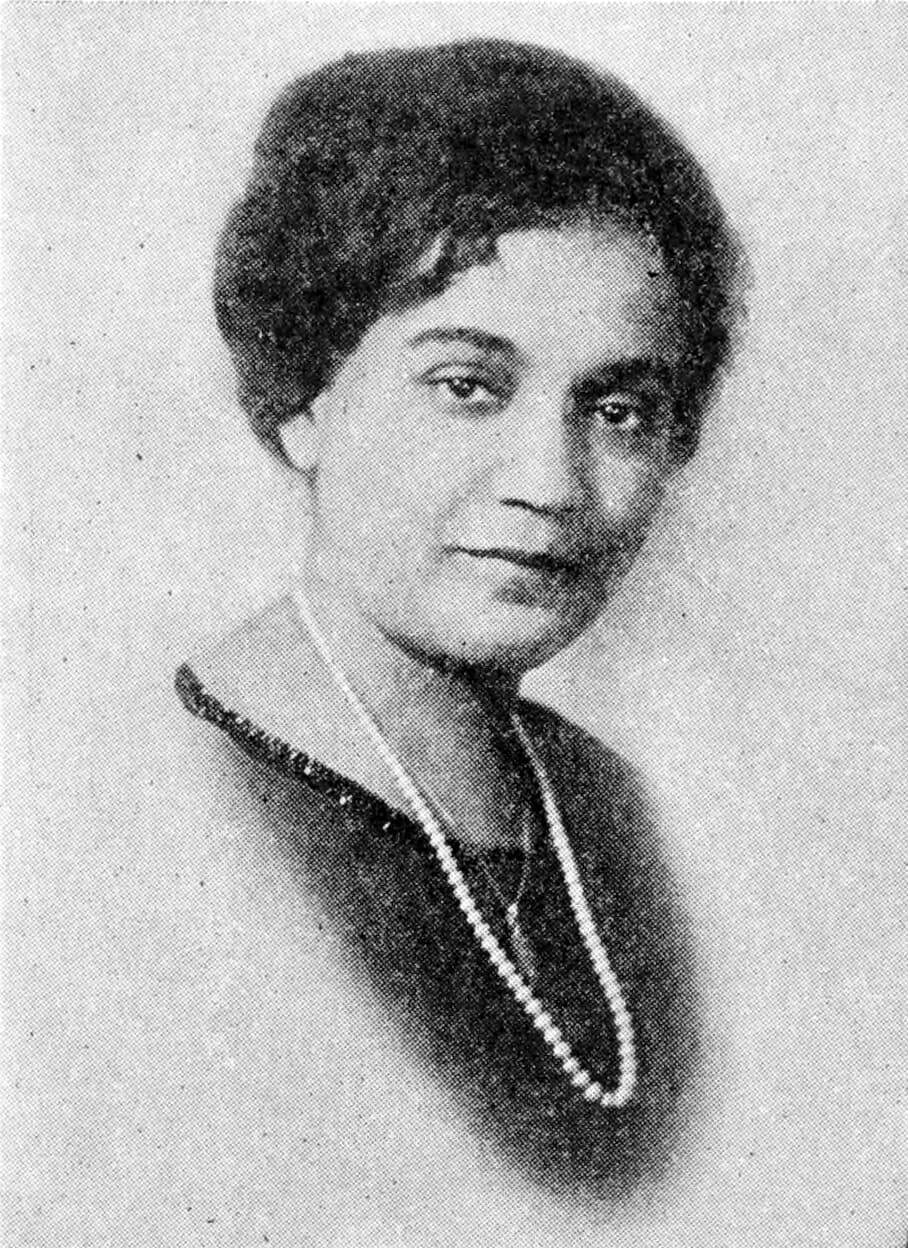
American · Literature · Activism
Jessie Redmon Fauset
April 27, 1882 – April 30, 1961
Early Life and Background
Jessie Redmon Fauset was born on April 27, 1882, in Snow Hill, New Jersey, into a large family. She was the daughter of Redmon Fauset and Annie Seamon Fauset. Her early years were marked by a strong emphasis on education, likely influenced by her father, a minister. Despite racial challenges, Fauset excelled academically and became one of the few African American students at Philadelphia High School for Girls, graduating as valedictorian.
Fauset continued her formal education at Cornell University, becoming one of the first black women accepted to this Ivy League institution. She graduated with a degree in classical languages, an impressive achievement at a time of societal restrictions based on race and gender. Afterward, she completed graduate work at the University of Pennsylvania.
Career Beginnings and Development
Her career began as a teacher in Baltimore, Maryland, as African American women had limited opportunities in academia beyond the segregated classroom. However, she quickly demonstrated her exceptional skills in writing and editing.
Fauset's editorial career progressed significantly when she worked for the African-American magazine "The Crisis," operated by the NAACP and founded by W.E.B. Du Bois. Serving as the literary editor from 1919 to 1926, she played a pivotal role in the Harlem Renaissance by nurturing a generation of African American writers, including Langston Hughes and Claude McKay.
Major Works and Accomplishments
Jessie Redmon Fauset's literary accomplishments are several, most notably her novels that explored the complexities of African American life and identity. Her first novel, "There Is Confusion" (1924), delved into themes of race and ambition.
She followed with "Plum Bun: A Novel Without a Moral" (1929), "The Chinaberry Tree" (1931), and "Comedy, American Style" (1933). These works provided a nuanced portrayal of African American existence, often challenging prevailing stereotypes.
Awards, Honors, and Recognition
Though not widely celebrated during her lifetime relative to her male contemporaries, Fauset's influence has since been acknowledged as crucial to the Harlem Renaissance. She received posthumous recognition and is celebrated for her literature contributions and her mentorship's enduring legacy.
Personal Life
In her personal life, Fauset married Herbert Harris, an insurance broker, later in her life in 1929. Her marriage did not detract from her dedication to literature, and she continued to be a vital influence in the literary world.
Legacy and Historical Impact
Jessie Redmon Fauset's impact extends beyond her own writings to the many talents she helped nurture. Her leadership at "The Crisis" was seminal in providing African American writers a voice and platform at a time when racial inequality was deeply ingrained in American society.
Later Life and Death
After retiring, Fauset continued to write, albeit less prolifically. She lived out her later years in relative quietness, passing away on April 30, 1961, in Philadelphia, Pennsylvania. Her work remains a testament to her dedication to advancing African American literature and culture.
Dated achievements
2 indexed.
- Apr271882Literature
Birth of Jessie Redmon Fauset
Jessie Redmon Fauset was born on April 27, 1882.
View details Wikipedia - Apr301961Literature
Death of Jessie Redmon Fauset
Jessie Redmon Fauset passed away on April 30, 1961, in Philadelphia.
View details