← All women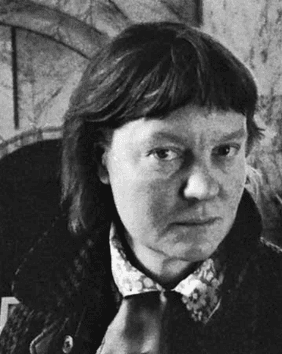
British · Literature · Science
Iris Murdoch
July 15, 1919 – February 8, 1999
Early Life and Background
Dame Jean Iris Murdoch was born on July 15, 1919, in Phibsborough, Dublin, Ireland. She spent her early years in London, where her father, Wills John Hughes Murdoch, worked in the civil service. Her mother, Irene Alice Richardson, was a trained singer. The family moved to Chiswick in London when Iris was a child, offering her a stable environment during her formative years.
She attended the Froebel Demonstration School, an experimental school that emphasized free expression. Later, Murdoch earned a scholarship to attend Badminton School in Bristol before moving on to Somerville College, Oxford, where she studied Classics from 1938 to 1942. Her time at Oxford was crucial; it exposed her to the works of important philosophers and writers that greatly influenced her future writings and philosophy.
Career Beginnings and Development
Following her time at Oxford, Murdoch worked for the British Treasury during World War II and served with the United Nations Relief and Rehabilitation Administration in Belgium and Austria. These experiences broadened her perspectives and inspired her empathetic approach to complex human conditions in her literature.
In 1948, Murdoch secured a position as a fellow of philosophy at St Anne's College, Oxford, which she held until 1963. Her academic background was evident in her writing style, showcasing a blend of philosophical inquiry and narrative depth.
Major Works and Accomplishments
Murdoch published her first novel, "Under the Net", in 1954. It was well-received, establishing her as a significant new voice in British literature. Over her prolific career, she wrote 26 novels, numerous plays, and philosophical essays. Her 1978 novel, "The Sea, The Sea", won the Booker Prize, one of the most prestigious literary awards, cementing her status as a leading novelist of her time.
Awards, Honors, and Recognition
In recognition of her contributions to literature, Iris Murdoch was made a Dame Commander of the Order of the British Empire in 1987. Her works continue to be studied for their complex characters and intellectual depth.
Personal Life
Murdoch married academic John Bayley in 1956. Their partnership was both personal and intellectual, as Bayley also contributed significantly to understanding Murdoch’s work after her death. They did not have children.
Legacy and Historical Impact
Iris Murdoch’s novels are noted for their rich moral inquiry and vivid characterizations, influencing generations of writers and philosophers. Her philosophical works, notably "The Sovereignty of Good", remain influential in discussions on moral philosophy, ethics, and the nature of the good.
Later Life and Death
In her later years, Murdoch was diagnosed with Alzheimer’s disease, which eventually led to her death on February 8, 1999. Her struggles with the disease were poignantly chronicled by her husband in his memoir, "Elegy for Iris".
Dated achievements
2 indexed.
- Jul151919Literature
Birth of Iris Murdoch
Iris Murdoch was born on July 15, 1919, in Dublin, Ireland.
View details Iris Murdoch - Wikipedia - Feb081999Literature
Death of Iris Murdoch
Iris Murdoch died on February 8, 1999, from Alzheimer's disease.
View details