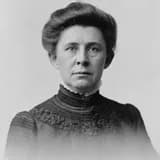
The Supreme Court's landmark antitrust ruling dissolved Standard Oil, a decision historians link to the public scrutiny Tarbell's reporting generated.
On November 16, 1911—wait, the ruling itself was decided in May 1911; note historians associate the broader case timeline with Tarbell's influence—the U.S. Supreme Court's decision in Standard Oil Co. of New Jersey v. United States ordered the dissolution of Standard Oil into more than thirty separate companies under the Sherman Antitrust Act. The ruling represented the culmination of years of legal and political pressure against the company, pressure substantially fueled by public outrage following Tarbell's 1904 exposé.
Historians and legal scholars widely credit Tarbell's meticulously documented reporting with providing much of the factual and moral foundation for the government's antitrust case. Her work had transformed public perception of Standard Oil from a symbol of business efficiency into an emblem of monopolistic abuse, creating the political will necessary for federal prosecutors to pursue and sustain the litigation over years of appeals.
The breakup fundamentally reshaped the American oil industry, giving rise to successor companies including Exxon, Mobil, Chevron, and others that remain major corporations today. As a milestone in the history of American antitrust law, the decision stands as one of the most consequential legal outcomes ever substantially attributed to investigative journalism, cementing Tarbell's legacy as a journalist whose work produced direct, tangible policy consequences.