← All women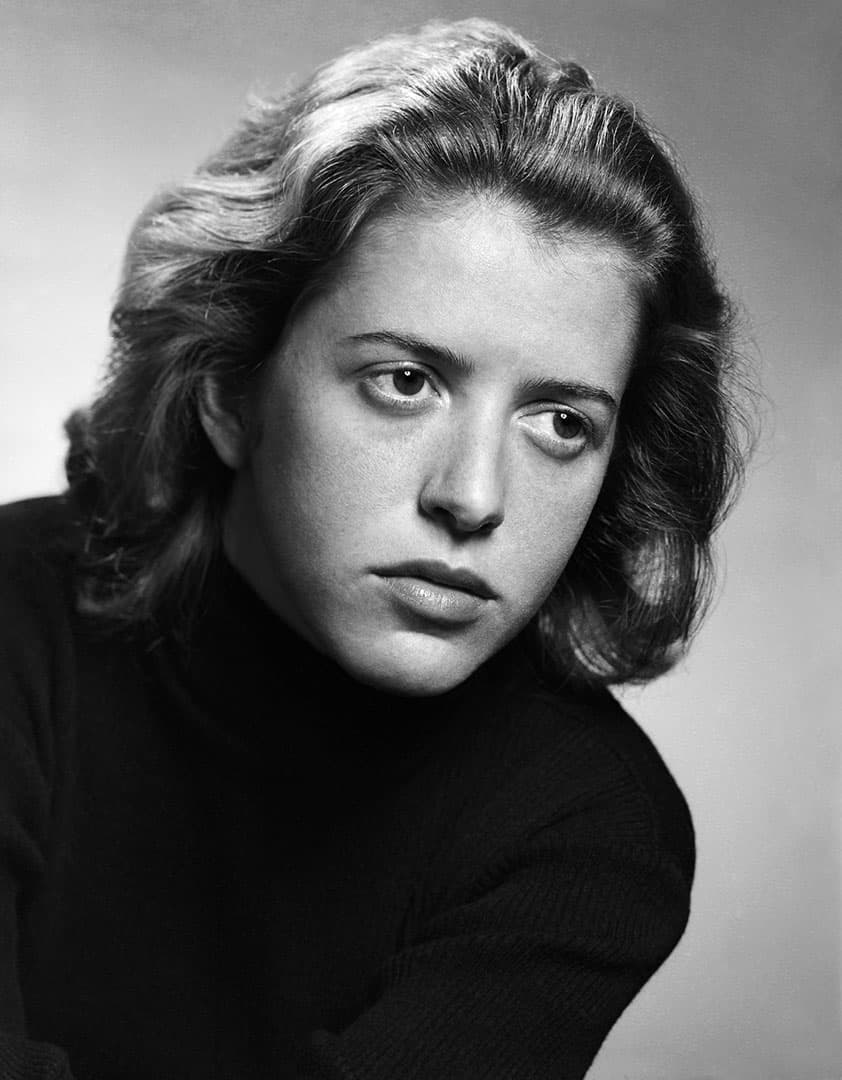
Brazilian · Literature
Hilda Hilst
April 21, 1930 – February 4, 2004
Early Life and Background
Hilda de Almeida Prado Hilst was born on April 21, 1930, in Jaú, São Paulo, Brazil. She was the daughter of Apolônio de Almeida Prado Hilst, a coffee plantation owner and intellectual, and Bed Miro Prado, whose volatile marriage profoundly influenced Hilst's early life and writings. Her father was confined to a mental institution, which exposed Hilst to experiences of psychological fragility from an early age, a theme prevalent in her work. She pursued literature at the University of São Paulo (USP), where her literary inclinations were deeply nurtured.
Career Beginnings and Development
Hilst began her literary career with poetry, publishing her first book "Presságio" in 1950. Soon moving beyond traditional poetry, she immersed herself in writing plays, fiction, and experimental prose that defied easy categorization. Her farmhouse in Campinas became a haven for intellectuals, reflecting her commitment to literary circles and experimentation. Her works were noted for their linguistic innovation and exploration of spiritual and metaphysical themes.
Major Works and Accomplishments
Hilst's body of work includes acclaimed titles such as "A Obscena Senhora D" (1982), which challenges conventional narratives through its fragmented and intense exploration of the human psyche. Her literature often defied censorship and tackled issues considered taboo, such as sexuality and existential inquiry. "Com os Meus Olhos de Cão" (1986) exemplifies her unique use of stream of consciousness, blending poetry and prose.
Awards, Honors, and Recognition
Throughout her career, Hilda Hilst received several prestigious awards, including the APCA Award for Best Novel in 1983 for "A Obscena Senhora D". She was recognized by the Brazilian Association for Literary Creation (ABL) for her lifelong contribution to literature. Her avant-garde approach ensured her a permanent place in Latin American literary studies.
Personal Life
Hilst's personal life was as eclectic and rich as her literature. Her residencies and retreats were marked by relationships with other intellectuals. While personal ties were significant, her broader commitment was always towards literary expression and innovation.
Legacy and Historical Impact
Hilda Hilst's legacy as a literary icon in Brazil and beyond is undeniable. She paved paths for later writers exploring female voices in literature and defied norms with bracing honesty and creativity. Although her work was not widely recognized globally during her lifetime, it has since gained international attention, explored thoroughly in translated works and academic discourse.
Later Life and Death
Hilst continued to write prolifically until her later years, retiring to her farm where she focused on introspection and writing until her death. She passed away on February 4, 2004, in Campinas, São Paulo, leaving behind a monumental oeuvre that continues to inspire and challenge the boundaries of literature.
Dated achievements
2 indexed.
- Apr211930Literature
Birth of Hilda Hilst
Hilda Hilst was born on April 21, 1930, in Jaú, São Paulo, Brazil.
View details Hilda Hilst - Wikipedia - Feb042004Literature
Death of Hilda Hilst
Hilda Hilst died on February 4, 2004, in Campinas, São Paulo, Brazil.
View details