← All women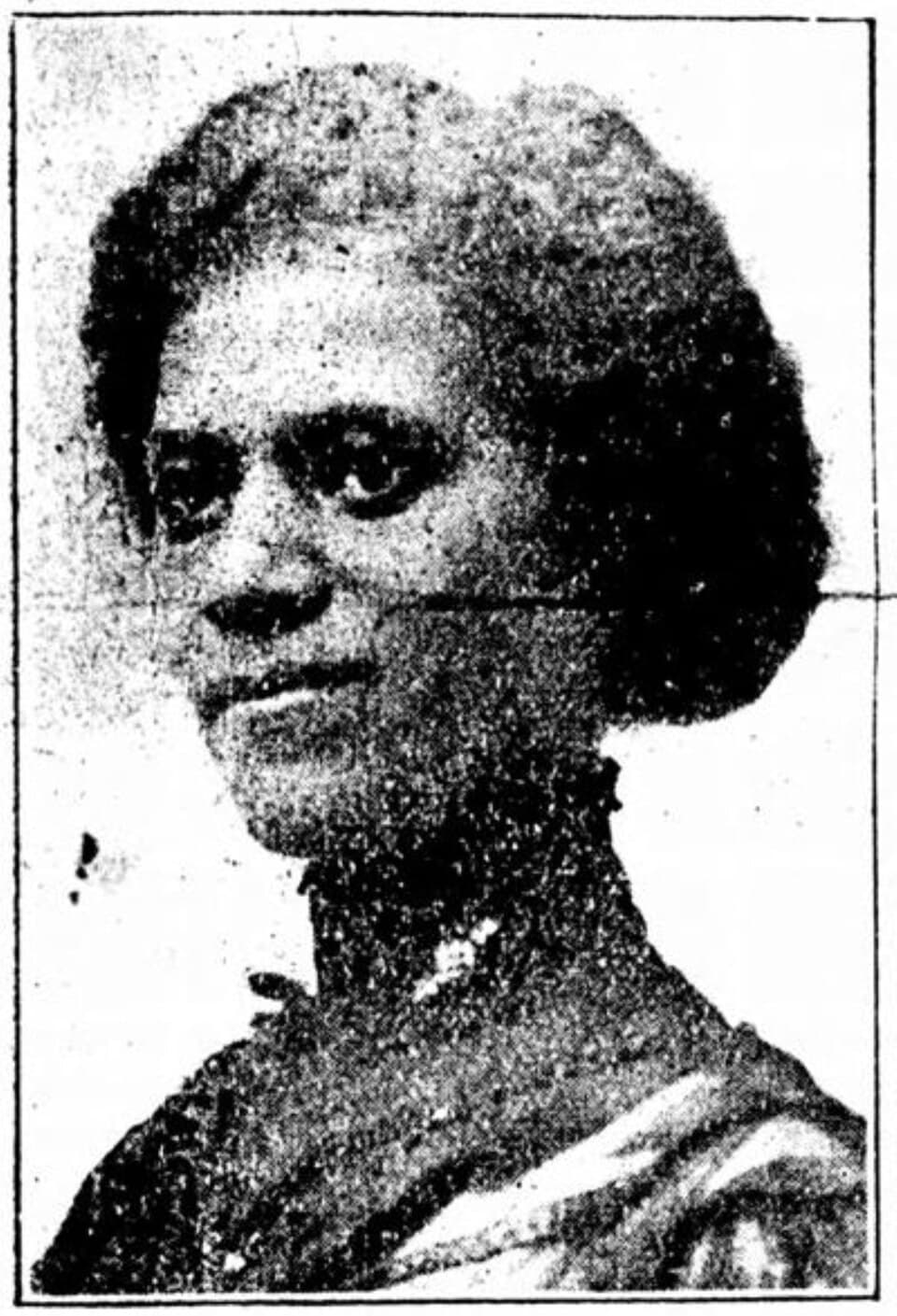
American · Law · Activism
Gertrude Rush
August 5, 1880 – September 5, 1962
Early Life and Background
Gertrude Elzora Durden was born on August 5, 1880, in Navasota, Texas. She was the daughter of a former slave, Simon Nathan Durden, and LaElnora M. Durden, reflecting the rich familial heritage that instilled in her the drive for justice and equality. Her family moved to Kansas where she later received her education, an opportunity that shaped her worldview and commitment to advancing civil rights.
Career Beginnings and Development
After obtaining her high school education, Rush pursued higher learning at Des Moines College, completing her studies in 1914. The following year, she was admitted to the bar, becoming the first African American female lawyer in Iowa in 1918. Her status as a practicing attorney in an era dominated by racial and gender discrimination was a testament to her determination and perseverance.
Major Works and Accomplishments
Rush's most notable contribution was co-founding the National Bar Association in 1925. This organization was established to address the exclusion of African American attorneys from the American Bar Association. She worked tirelessly through this platform to promote equal justice under the law. Her legal practice involved advocacy for marginalized groups, focusing on civil rights and ensuring fairness in legal proceedings despite systemic biases.
Awards, Honors, and Recognition
Throughout her career, Rush was recognized for her pioneering work in law and activism. While specific awards from her era are scant, her enduring legacy is preserved in the National Bar Association's continuing efforts towards racial equality in the legal profession. Rush's work was also foundational in progressing the dialogue around women's and African Americans' rights in the U.S. legal system.
Personal Life
Gertrude married James B. Rush in 1907, a collaboration that remained supportive both personally and professionally until his passing in 1919. They shared a passion for justice and equal rights, complementing each other's work in the realm of civil rights.
Legacy and Historical Impact
Rush’s legacy is profound in the legal field, particularly in advocating for African American inclusion and representation. Her efforts helped pave the way for future generations of African American lawyers and civil rights activists. By breaking racial and gender barriers, she set a precedent for equity and justice in the legal profession.
Later Life and Death
Gertrude Rush continued her advocacy work well into her later years, remaining involved in community initiatives and the legal profession. She passed away on September 5, 1962, leaving behind a powerful legacy of activism and legal reforms that continued to inspire and serve justice in America.
Dated achievements
2 indexed.
- Aug051880Law
Birth of Gertrude Rush
Gertrude Rush was born on August 5, 1880, in Navasota, Texas.
View details Wikipedia Entry on Gertrude Rush - Jul151918Law
First African American Female Lawyer in Iowa
On July 15, 1918, Gertrude Rush became the first African American woman licensed to practice law in Iowa.
View details