← All women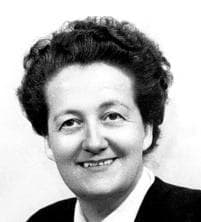
French · Science · Activism · Literature
Germaine Tillion
May 30, 1907 – April 19, 2008
Early Life and Background
Germaine Marie Rosine Tillion was born on May 30, 1907, in Allègre, France, into an intellectually stimulating family environment. Her mother was Émilie Tillion, a writer and artist, which undoubtedly inspired Germaine's early passion for academics and art. Tillion received her primary education in Clermont-Ferrand before advancing to higher studies at the École Pratique des Hautes Études in Paris. Her formative influences included eminent ethnologist Marcel Mauss, which guided her toward a groundbreaking career in anthropology.
Career Beginnings and Development
Germaine Tillion began her professional career with a focus on the study of North African cultures, specifically in Algeria where she conducted extensive ethnographic research from 1934 to 1940. Her doctoral work on the Berber tribe in the Aures region provided profound insights into their social structures, contributing significantly to the field of ethnology. Her methods were innovative for the time, combining immersion with structured interviewing techniques, which later influenced modern anthropological practices.
Major Works, Discoveries, or Accomplishments
Tillion's major scholarly contributions include her studies on North African communities. However, it was her role in the French Resistance during World War II that elevated her historical standing. In 1940, Tillion joined the clandestine resistance organization "Musée de l'Homme" network, which facilitated the escape of French prisoners from Nazi control and gathered intelligence for the Allies. Her resistance efforts reflected not only her courage but also her unwavering commitment to freedom and justice.
In 1954, she published "Le Harem et les Cousins," a seminal work analyzing the impact of traditional family structures on women's oppression in Mediterranean and Muslim communities. Her scholarly endeavors remained intertwined with her activism, advocating for reforms and understanding across cultural divides.
Awards, Honors, and Recognition
Throughout her life, Tillion received numerous accolades for her work. In 1999, she was awarded the prestigious Grand Cross of the Legion of Honor by the French government, celebrating her scientific contributions and wartime bravery. Posthumously, she was inducted into the Panthéon in 2015, a testament to her enduring national influence.
Personal Life
Tillion never married nor had any children, choosing instead to dedicate her life to her research and activism. Her life's work exuded a deep compassion for humanity and an indomitable spirit against oppression.
Legacy and Historical Impact
Germaine Tillion's legacy is multifaceted; she is remembered as a pioneering ethnologist whose works broadened the understanding of North African cultures. Furthermore, her resolute participation in the French Resistance marked her as a heroine of the 20th century. Her advocacy for women's rights and cultural understanding continues to inspire scholars and activists worldwide.
Later Life and Death
Tillion remained active until her death on April 19, 2008, in Saint-Mandé, France. Her later years involved extensive writing and mentorship, fostering new generations of anthropologists capable of comprehending and addressing social complexities.
Dated achievements
2 indexed.
- May301907Activism
Birth of Germaine Tillion
Germaine Tillion was born in Allègre, France, on May 30, 1907.
View details Germaine Tillion - Wikipedia - Apr192008Activism
Death of Germaine Tillion
Germaine Tillion passed away on April 19, 2008, in Saint-Mandé, France.
View details