← All women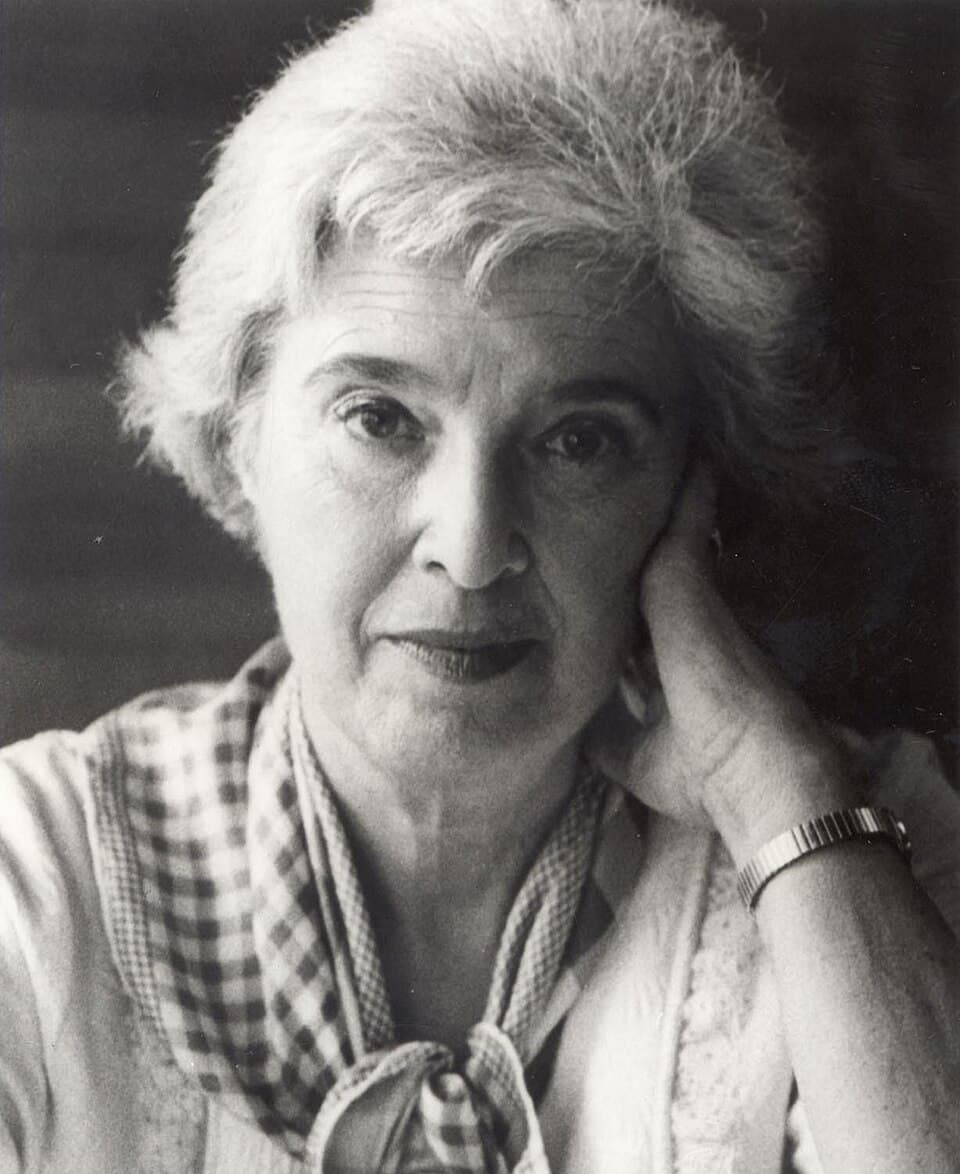
Austrian, American · Activism · Literature
Gerda Lerner
April 30, 1920 – January 2, 2013
Early Life and Background
Born as Gerda Hedwig Kronstein on April 30, 1920, in Vienna, Austria, Gerda Lerner grew up in a well-off Jewish family. She faced political unrest early on when the rise of Nazism forced her family to flee Austria. These early life experiences instilled in her resilience and a deep understanding of political oppression.
Career Beginnings and Development
After immigrating to the United States, Lerner pursued a multifaceted career. Initially, she engaged in writing and activism, co-authoring her first book, Women's Guide to Law School, with Carl Lerner, whom she married in 1941. Her interest in women's academic achievements propelled her to explore history from the perspective of those historically marginalized.
Major Works and Accomplishments
Lerner's groundbreaking work includes her influential two-volume series, The Creation of Patriarchy and The Creation of Feminist Consciousness. These books shed light on the systematic oppression of women and chart a path toward understanding and liberation. Perhaps her most significant institutional accomplishment was establishing the first graduate program in women's history at Sarah Lawrence College in 1972 and later founding the doctoral program at the University of Wisconsin.
Awards, Honors, and Recognition
Lerner's pioneering efforts earned her numerous accolades, including awards from the Organization of American Historians and the American Historical Association. Her contributions significantly shaped not only the scholarly study of history but also public discourse regarding women's roles throughout historical narratives.
Personal Life
Married to Carl Lerner, a film editor, they had two children. The Lerners collaborated on various projects, wherein Carl's support proved invaluable to Gerda's pursuits. Her personal experiences and political beliefs were largely shaped by her status as an immigrant and survivor of fascist regimes.
Legacy and Historical Impact
Gerda Lerner's academic legacy is profound. Her insistence on placing women's experiences at the center of historical inquiry created a foundational shift in historiography and education. Her passionate advocacy and scholarly rigor have left a lasting impact on historians and feminists worldwide.
Later Life and Death
In her later years, Lerner continued to write and influence new generations of historians and feminists until her passing on January 2, 2013. Her life's work institutionalized women's history as not only a legitimate field of study but also an essential component of understanding human history.
Dated achievements
2 indexed.
- Apr301920Activism
Birth of Gerda Lerner
Gerda Lerner was born on April 30, 1920, in Vienna, Austria.
View details Wikipedia: Gerda Lerner - Jan022013