← All women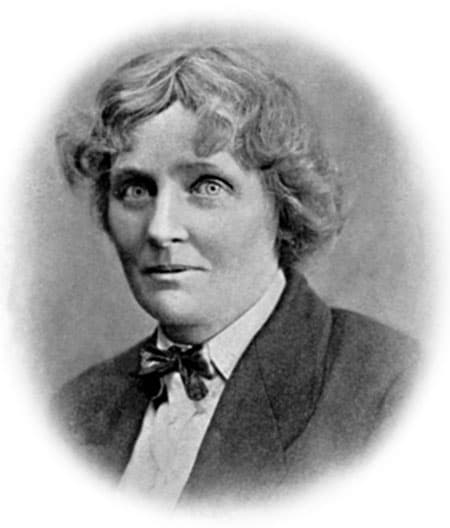
New Zealander · Activism · Medicine
Ettie Rout
February 24, 1877 – September 17, 1936
Early Life and Background
Ettie Annie Rout was born on February 24, 1877, in Launceston, Tasmania, Australia. She was the daughter of William John Rout, a builder, and Annie Sophia Rout. The family moved to New Zealand when she was a child, settling in Wellington. Ettie's education was not formally extended beyond her early school years, but she was an avid reader and self-taught in many subjects.
Career Beginnings and Development
Ettie Rout began her career as a journalist and typist in Wellington, a career path that would influence her later activism. She was deeply interested in public health and became involved in social and hygienic reform movements. Her work during the early 20th century was significantly influenced by her commitment to improving soldiers' health during World War I.
Major Works, Discoveries, or Accomplishments
Rout became a prominent figure during World War I through her work to prevent the spread of venereal diseases among troops. Recognizing the impact of such diseases on military efficiency, she advocated for prophylactic measures and established a Military Hygiene Committee in New Zealand. She distributed "Rout's Kit," which contained condoms and antiseptics to soldiers, despite facing government resistance and societal taboos about discussing sexual health openly. Her initiatives were considered pioneering and controversial, earning her the nickname "the wickedest woman in Britain."
Awards, Honors, and Recognition
Although Ehrlich received mixed reactions during her lifetime, her efforts were acknowledged posthumously as being ahead of their time in advocating for sexual health. Her work laid the groundwork for future reforms in military and civilian health practices.
Personal Life
Rout married Frederick Hornibrook in 1920, a physician who supported her views on health reform. Together, they conducted research and wrote about health and hygiene. The personal and professional relationship bolstered her efforts, providing her with additional legitimacy in her campaigns.
Legacy and Historical Impact
Rout’s impact on public health, particularly in the military context, is significant. She is credited with advancing the practical application of prophylactics in treating and preventing venereal diseases, influencing later health policy. Her work challenged societal norms, paving the way for more open dialogues about sexual health and personal hygiene.
Later Life and Death
After World War I, Rout continued her advocacy but faced decades of resistance and ostracization. She passed away on September 17, 1936, in Rarotonga, Cook Islands, under circumstances that some historians believe were related to suicide. Her legacy remains potent in the health advocacy community, recognized for her bold and uncompromising stance on issues that were taboo at her time.
Dated achievements
2 indexed.
- Feb241877Activism
Ettie Annie Rout Born
Ettie Annie Rout was born on February 24, 1877, in Launceston, Tasmania.
View details Ettie Annie Rout - Wikipedia - Sep171936