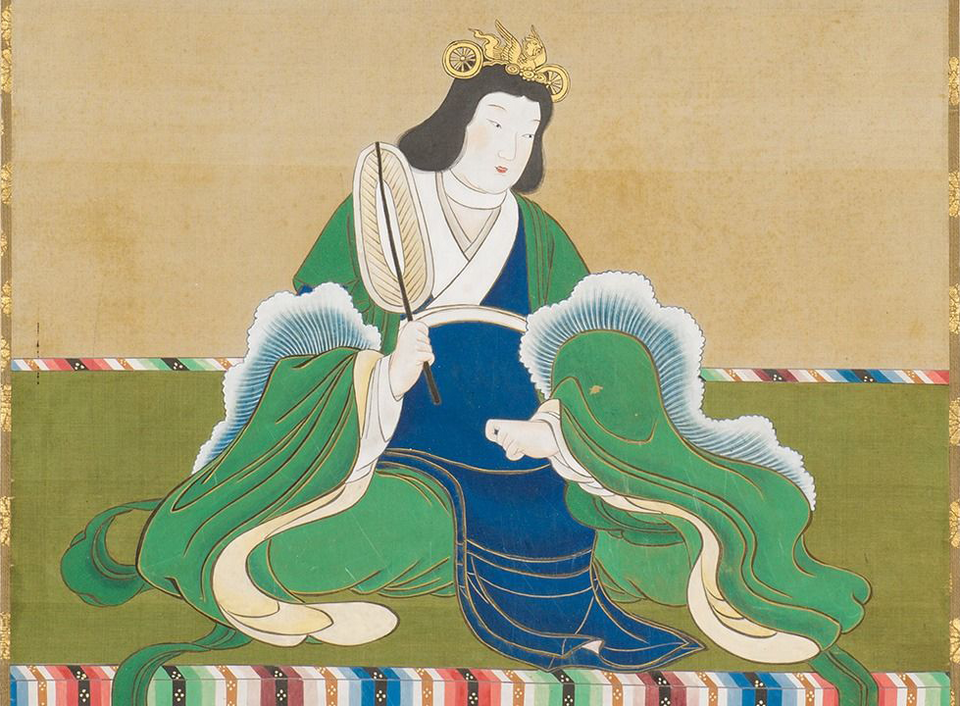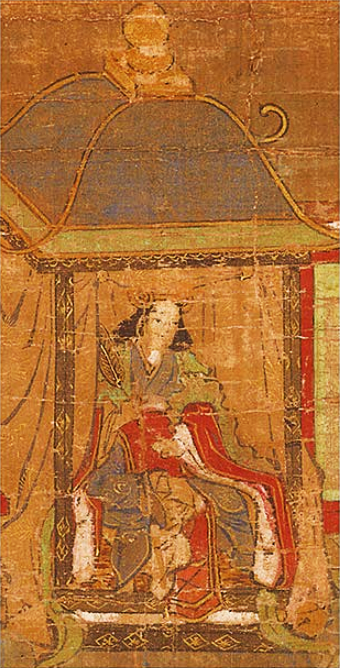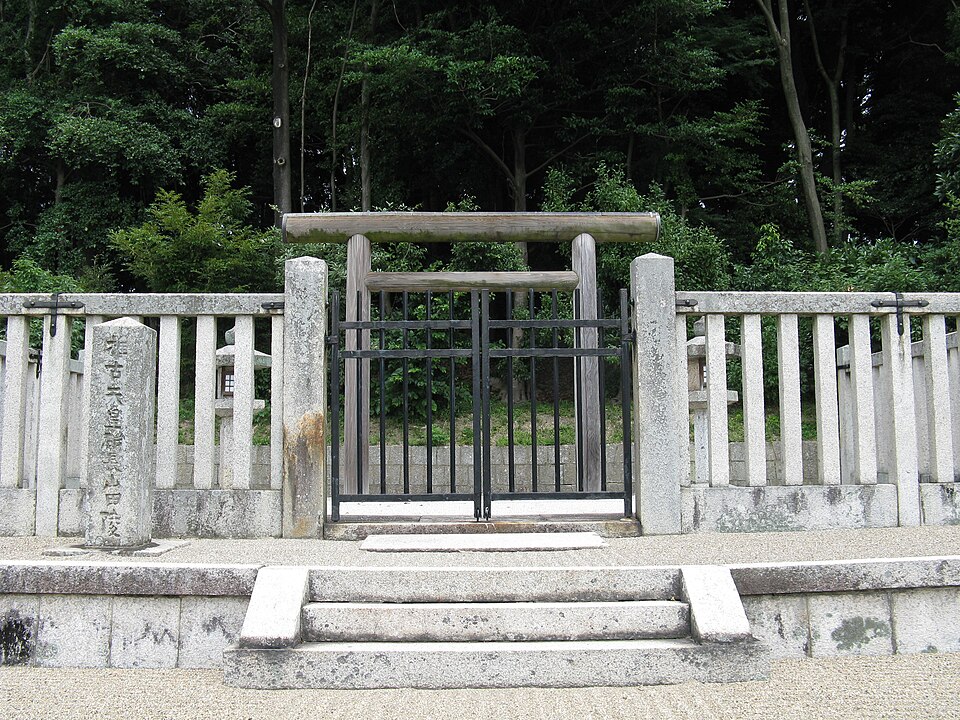
Birth of Princess Nukatabe, later Empress Suiko, Japan’s first historically attested reigning empress.
Princess Nukatabe, later known as Empress Suiko, was born on 3 January 554 in Yamato, in the political and ritual center of early Japan. Her birth placed her within the Soga and imperial kin networks that shaped succession politics in the sixth century. Later tradition and historical reconstruction identify her as the daughter of Emperor Kimmei and a woman whose lineage made her a plausible compromise candidate in a contested throne succession.
Suiko’s birth mattered because it preceded one of the most consequential shifts in Japanese rulership: the first historically attested reign of a woman as sovereign in her own right. In an era when political authority was being negotiated among powerful court lineages, clan interests, and newly imported continental ideas of kingship, her eventual accession became a landmark in the history of Japanese state formation. Her later reign would be associated with the consolidation of court rituals, the strengthening of centralized authority, and the formal support of Buddhism at court.
The broader significance of her birth lies in the historical barriers she later crossed. In a society dominated by male succession norms, her eventual elevation demonstrated that elite women could occupy supreme political authority when dynastic and factional conditions required it. Her life became a durable reference point in the history of women’s rule in East Asia.
Images