← All women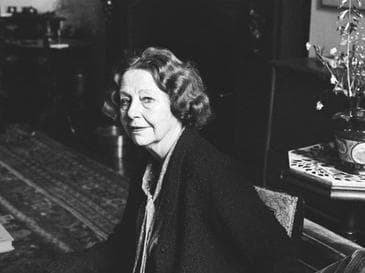
American · Literature · Arts
Elizabeth Hardwick
July 27, 1916 – December 2, 2007
Early Life and Background
Elizabeth Hardwick was born on July 27, 1916, in Lexington, Kentucky, to Eugene Allen Hardwick and Mary Ramsey Hardwick. She was one of eleven children in a family that emphasized education and cultural engagement. Hardwick attended the University of Kentucky, where she received her bachelor’s degree in 1939 and pursued graduate study at Columbia University. Her southern upbringing and academic background laid the foundation for a lifelong engagement with literary and social criticism.
Career Beginnings and Development
After moving to New York City in 1939, Hardwick began her career as a writer and critic. Her early work appeared in publications like Harper's Magazine and Partisan Review, and she quickly established herself as a formidable presence in literary circles. Her first novel, The Ghostly Lover, published in 1945, demonstrated her keen insight into human psychology and relationships.
Major Works and Accomplishments
Hardwick's essays, many of which were published in Harper's and The New Yorker, are renowned for their analytical rigor and stylistic elegance. Her critical essays were compiled in the seminal book Seduction and Betrayal: Women and Literature (1974), which explores the lives of female literary figures with extraordinary insight.
Perhaps her most enduring legacy is the founding of The New York Review of Books in 1963, alongside Robert Silvers and Barbara Epstein, following a strike at The New York Times. This publication became a cornerstone of intellectual discourse in America, allowing Hardwick to influence the literary landscape significantly.
Awards, Honors, and Recognition
Hardwick's contributions to literature and criticism earned her numerous accolades. She was awarded a Gold Medal for Belles Lettres and Criticism by the American Academy of Arts and Letters in 1996. Her incisive critiques and elegant prose won the admiration of peers and readers alike, further cementing her legacy as one of the 20th century's significant literary critics.
Personal Life
Elizabeth Hardwick was married to the poet Robert Lowell from 1949 to 1972, with whom she had a daughter, Harriet. Their tumultuous marriage, marked by Lowell's mental health struggles and infidelities, influenced much of Hardwick's personal writings and reflections.
Legacy and Historical Impact
Elizabeth Hardwick's impact on American literature transcends her critical writings. She is celebrated for her poetic prose and the intellectual rigor she brought to literary criticism. The New York Review of Books remains a bastion of cultural debate and literary excellence, a testament to her vision and commitment to high-quality discourse.
Later Life and Death
In her later years, Hardwick continued to write essays and book reviews until her death on December 2, 2007, in New York City. Her passing marked the end of an era, but her works continue to inspire and educate new generations of writers and critics.
Dated achievements
3 indexed.
- Jul271916Literature
Birth of Elizabeth Hardwick
Elizabeth Hardwick was born on July 27, 1916, in Lexington, Kentucky.
View details Elizabeth Hardwick Biography - Britannica - Nov011963Literature
Co-founding The New York Review of Books
Elizabeth Hardwick co-founded The New York Review of Books in November 1963, shaping American literary culture.