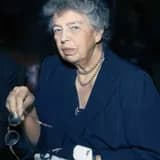
Eleanor Roosevelt addresses the Democratic National Convention in Chicago, becoming the first presidential spouse to speak at a national party convention.
On July 18, 1940, Eleanor Roosevelt took the podium at the Democratic National Convention in Chicago, delivering an impromptu but powerful address that helped quell a brewing party rebellion over Franklin D. Roosevelt's controversial decision to seek an unprecedented third presidential term. Her speech emphasized unity and the gravity of the international crisis as World War II raged in Europe.
This appearance made her the first spouse of a sitting or nominated president to speak at a major party's national convention, a striking departure from the convention that political wives remained silent, decorative figures in electoral politics. Her remarks were credited with helping secure the nomination of Henry Wallace as vice president despite significant opposition from convention delegates.
The speech demonstrated Eleanor's growing political sophistication and her willingness to directly intervene in the mechanics of party politics, not merely as a supportive spouse but as an independent political actor whose voice carried genuine persuasive weight.
This moment is widely regarded by historians as a turning point in American political history, expanding the boundaries of acceptable political engagement for presidential spouses and paving the way for future First Ladies and political spouses to take active, vocal roles in party politics and policy advocacy rather than remaining confined to ceremonial functions.