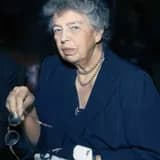
Eleanor Roosevelt is elected the first Chair of the United Nations Commission on Human Rights, becoming the inaugural leader of its human rights charter effort.
On February 16, 1946, Eleanor Roosevelt was elected as the first Chair of the newly established United Nations Commission on Human Rights (UNCHR), a position that placed her at the helm of the international body tasked with drafting what would become the Universal Declaration of Human Rights. This appointment made her the inaugural leader of an institution designed to prevent the atrocities of the recent world war from ever recurring.
Her election was a landmark moment: a woman, and a former First Lady with no formal legal or diplomatic training, was entrusted with chairing one of the most consequential international committees of the postwar era, overseeing representatives from vastly different political, cultural, and legal systems including the United States, Soviet Union, China, France, Lebanon, and other nations.
Under her leadership, the Commission navigated intense ideological divisions of the emerging Cold War to hammer out a common statement of universal rights and freedoms applicable to all peoples regardless of nation, race, or creed. Roosevelt's diplomatic skill, patience, and moral conviction were widely credited with holding the fractious group together through nearly two years of negotiation and drafting.
Her chairmanship represents one of the most significant instances of a woman leading a major international governance body in the twentieth century, and it directly enabled the drafting and eventual adoption of the Universal Declaration of Human Rights in 1948, cementing her legacy as one of the principal architects of modern international human rights law.