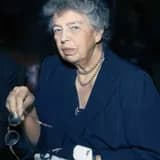
Two days after FDR's inauguration, Eleanor Roosevelt holds the first of her women-only press conferences, a genuine first for a presidential spouse.
On March 6, 1933, just two days after her husband's inauguration, Eleanor Roosevelt held the first of what would become regular press conferences restricted exclusively to female journalists. This was a deliberate and strategic innovation: by barring male reporters, she effectively forced news organizations across the country to hire or retain women journalists in order to maintain access to the First Lady, at a time when female reporters faced severe professional marginalization.
Eleanor became the first presidential spouse in American history to hold regular press conferences at all, let alone ones with such a pointed feminist purpose. Over the following twelve years, she held nearly 350 of these press conferences, using them to discuss policy, social issues, and her extensive travels, effectively creating a new communications channel between the White House and the American public.
The conferences covered topics ranging from New Deal programs to civil rights to conditions faced by women and children during the Depression, giving substantive news value to what might otherwise have been treated as purely social coverage of the First Lady.
This innovation had lasting impact on both journalism and the institution of the First Ladyship: it created career opportunities for a generation of women journalists such as Bess Furman and Ruby Black, and established the expectation that First Ladies would engage substantively and regularly with the press and public policy, a practice that endures to this day.