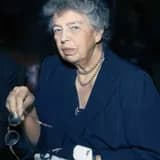
Franklin D. Roosevelt is inaugurated as President; Eleanor Roosevelt becomes First Lady, a role she would transform through unprecedented engagement.
On March 4, 1933, amid the depths of the Great Depression, Franklin D. Roosevelt was inaugurated as the 32nd President of the United States, and Eleanor Roosevelt formally became First Lady of the United States. She would hold this position for an unprecedented twelve years, longer than any other First Lady in American history, spanning the Depression and nearly all of World War II.
Eleanor entered the role determined to reject the traditionally ceremonial and largely silent function that had defined most of her predecessors. She fundamentally reimagined the position, transforming it into a platform for political advocacy, journalism, and social reform. She traveled extensively across the country, often serving as her husband's eyes and ears given his physical limitations from polio, visiting coal mines, slums, and rural communities to report firsthand on the human toll of economic hardship.
She used her position to champion civil rights, including advocating for anti-lynching legislation and supporting African American artists and activists, most famously arranging for Marian Anderson's historic 1939 concert at the Lincoln Memorial after the Daughters of the American Revolution refused Anderson access to Constitution Hall.
Her tenure fundamentally altered public expectations of what a presidential spouse could and should do, establishing a template of active political engagement, media innovation, and independent moral authority that shaped the role of First Lady for generations to come.