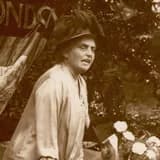
Eleanor Rathbone died suddenly in London on 2 January 1946 while still serving as an MP and campaigning for refugees and family allowances.
Eleanor Rathbone died suddenly on 2 January 1946 in London, just months after witnessing the passage of the Family Allowances Bill, the crowning achievement of her decades-long campaign for state family endowment. At the time of her death, she was still serving as the Independent Member of Parliament for the Combined English Universities, a seat she had held since 1929.
In her final years, Rathbone had also become a passionate and vocal advocate for refugees fleeing fascism in Europe, working to raise awareness of the plight of Jewish refugees and pressing the British government to do more to admit and assist those fleeing persecution during and after the Second World War. Her death came before she could see the first practical fruits of the Family Allowances Act, as payments to mothers did not begin until August 1946.
Rathbone's death was met with widespread tributes recognizing her as one of the most effective and principled independent voices in the history of the British Parliament. She left behind a legacy of transformative social reform, having reshaped British thinking on poverty, family welfare, and the state's responsibility toward its most vulnerable citizens. Her work directly influenced the architects of the post-war welfare state, including the Beveridge Report, and her example continues to inspire discussions of independent, conscience-driven politics.