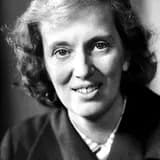
Hodgkin formally received her Nobel Prize in Chemistry at the Stockholm ceremony, the first British woman honored with a science Nobel.
On 10 December 1964, Dorothy Crowfoot Hodgkin traveled to Stockholm to formally receive the Nobel Prize in Chemistry from King Gustaf VI Adolf of Sweden at the annual Nobel ceremony, held on the anniversary of Alfred Nobel's death.
The ceremony was a moment of profound historical significance: Hodgkin became the first and, to date, only British woman to be awarded a Nobel Prize in a scientific discipline. Her Nobel lecture detailed the arduous crystallographic journey that led to the structural determination of penicillin and vitamin B12, works that had transformed biochemistry and medicine.
Attending the ceremony required significant physical effort, as Hodgkin's rheumatoid arthritis, diagnosed in her twenties, had progressed considerably by this time, causing painful joint deformities. Her ability to conduct such precise experimental science despite chronic disability made her an enduring symbol of perseverance for scientists with disabilities.
Following the award, Hodgkin used her elevated public platform to advocate for international scientific cooperation, world peace, and increased opportunities for women in science, causes to which she remained committed for the rest of her life. Her Nobel Prize remains one of the most celebrated moments in British scientific history and a landmark achievement for women in STEM fields worldwide.