← All women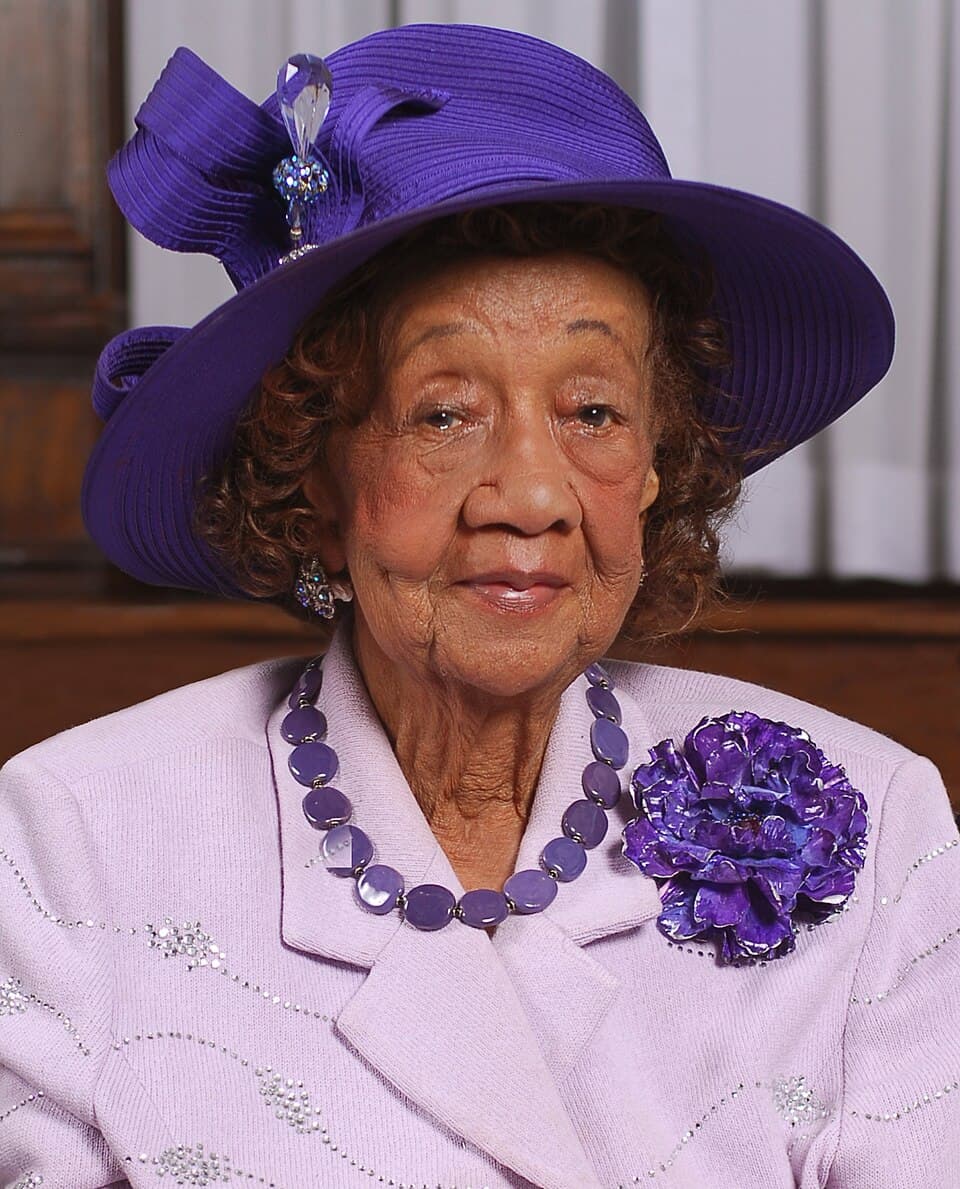
American · Activism · Politics
Dorothy Height
March 24, 1912 – April 20, 2010
Early Life and Background
Dorothy Irene Height was born on March 24, 1912, in Richmond, Virginia. Her family moved to Rankin, Pennsylvania, where she grew up in an African American community. From an early age, Height displayed exceptional academic abilities, earning a scholarship to Barnard College. However, due to racial quotas, she was denied entry and instead attended New York University, earning a bachelor's degree in education and a master's degree in psychology.
Career Beginnings and Development
Height’s activism began in the 1930s when she joined the National Council of Negro Women (NCNW). Her early work involved campaigning against lynching and advocating for reform in the criminal justice system. During this period, she also became actively involved with the Young Women’s Christian Association (YWCA), focusing on ending racial segregation within the organization.
Major Works and Accomplishments
Appointed as the president of NCNW in 1957, Height embarked on a four-decade leadership role where she advocated for desegregation, education, and economic opportunities for African American women. She worked closely with the leading civil rights leaders of the time, such as Martin Luther King Jr. and Rosa Parks, particularly noteworthy for facilitating communication between rising female leaders and male-dominated civil rights advocacy groups.
Height was among key figures present at significant milestones of the Civil Rights Movement, including the March on Washington in 1963. She was instrumental in advocating for the passage of the Civil Rights Act and the Voting Rights Act, which were foundational achievements in the fight against racial discrimination in the United States.
Awards, Honors, and Recognition
Throughout her life, Dorothy Height’s work was recognized with numerous awards and honors including the Presidential Medal of Freedom in 1994 and the Congressional Gold Medal in 2004. These honors acknowledge her crucial role in advancing equal rights both racially and through gender equality movements.
Personal Life
Height remained unmarried and dedicated much of her life to her work and causes she was passionate about. Her leadership and commitment left an indelible influence on numerous policies and advocacy strategies that continue to resonate in contemporary civil rights and feminist discussions.
Legacy and Historical Impact
Dorothy Height’s legacy is enduring, grounded in her tireless advocacy for equality and unwavering dedication to civil rights and women’s rights. Her leadership in organizing political movement strategies and negotiation frameworks continues to be studied and employed by activists today. The reach of her work is seen as critical in bolstering solidarity across gender and racial divides.
Later Life and Death
Dorothy Height continued her advocacy work into her later years, remaining active in both NCNW and broader civil rights discussions. She passed away on April 20, 2010, in Washington, D.C., and her funeral service gathered dignitaries and civil rights figures who celebrated her lifelong devotion to justice and equality.
Dated achievements
2 indexed.
- Mar241912Activism
Birth of Dorothy Irene Height
Dorothy Height was born in Richmond, Virginia.
View details Wikipedia - Dorothy Height Biography - Apr202010Activism
Death of Civil Rights Leader Dorothy Height
Dorothy Height died on April 20, 2010, in Washington, D.C.
View details