← All women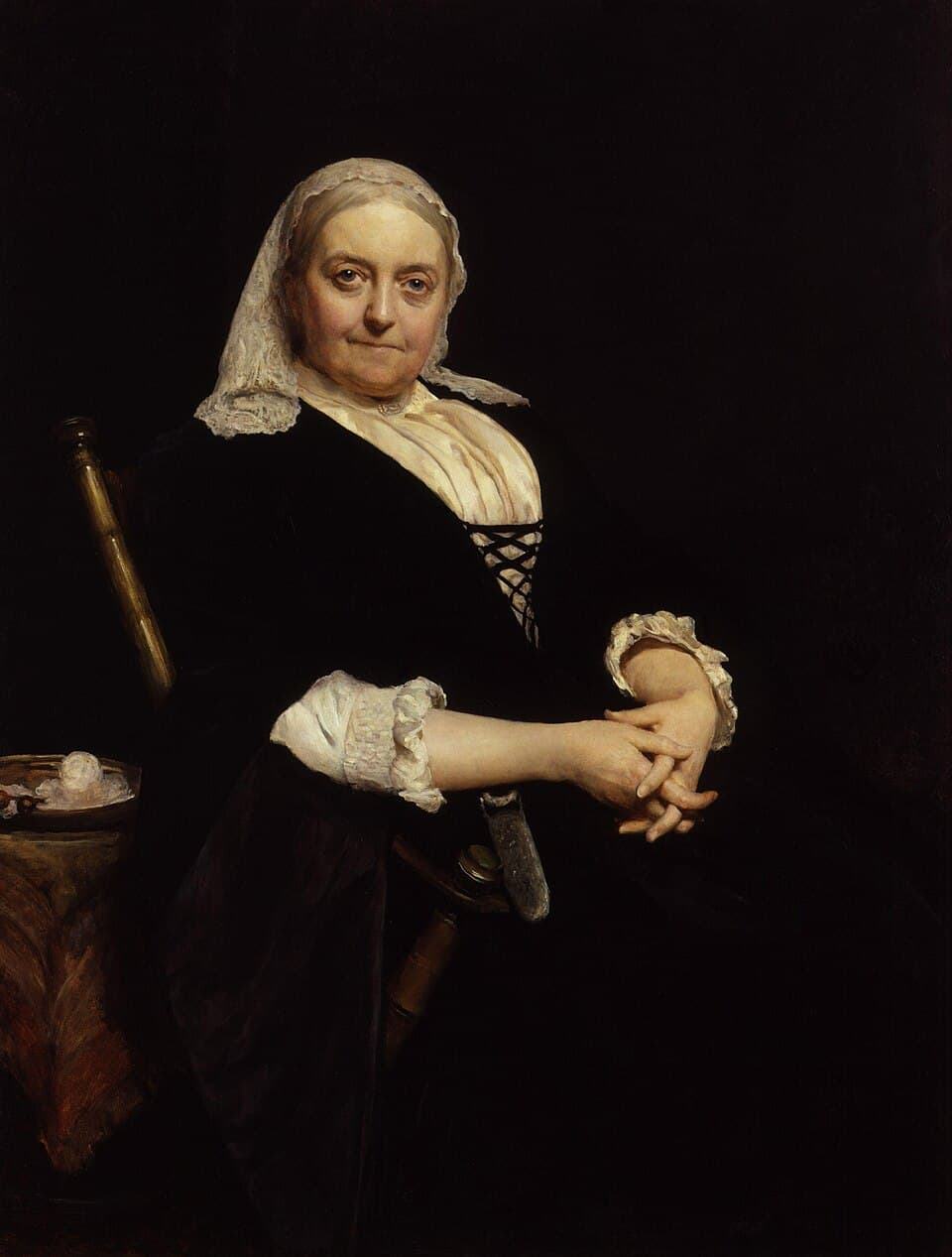
British · Literature
Dinah Craik
April 20, 1826 – October 12, 1887
Early Life and Background
Dinah Maria Craik, born Dinah Maria Mulock on April 20, 1826, in Stoke-upon-Trent, Staffordshire, England, emerged from an intellectual family, which profoundly influenced her literary pursuits. Her father was a Nonconformist minister, which imbued her with strong moralistic values that are evident in her works. Her education, largely influenced by her father, equipped her with a rich literary foundation.
Career Beginnings and Development
Craik moved to London after her father's death, determined to support herself through writing. Her early career involved contributing to various periodicals, which honed her narrative skills and led to her first publication, 'The Ogilvies', in 1849. This set the stage for a successful literary career, characterized by her ability to weave intricate character studies with social commentary.
Major Works and Accomplishments
Her most acclaimed work, 'John Halifax, Gentleman', published in 1856, solidified her reputation as a leading novelist of her time. The novel portrays the life of an honest and hardworking man who achieves success through integrity and perseverance, and it was highly popular for its portrayal of middle-class virtues and ethics. This was reflective of Victorian ideals and left a lasting impression on her readers. Craik's oeuvre extended beyond novels to include poetry and essays, showcasing her versatility as a writer.
Personal Life
In 1864, Dinah Mulock married George Lillie Craik, a partner in the publishing firm of Macmillan & Co., which undoubtedly provided her with additional support and resources for her literary career. The couple had no children, which allowed Craik to focus extensively on her writing and literary contributions.
Legacy and Historical Impact
Dinah Craik's work is notable for its focus on the themes of equality, self-reliance, and individual morality, reflecting the early feminist notions of her era. Her novels often depicted women in roles of strength, resilience, and independence, although framed within the constraints of Victorian apartmental norms. Her literature not only entertained but also influenced public attitudes toward social issues, contributing to the slow evolution of gender roles during her time.
Later Life and Death
Dinah Craik continued to write until her health declined later in life. She spent her final years in Shortlands, near Bromley, Kent, passing away on October 12, 1887. Her legacy remains through her influential writings, which continue to be read and analyzed for their representation of 19th-century life and their subtle critiques of social norms.
Dated achievements
1 indexed.
- Apr201826Literature
Dinah Craik's Birthday
Dinah Craik was born on April 20, 1826.
View details Birth of Dinah Mulock Craik