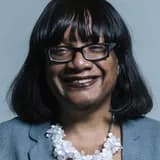
On 11 June 1987, Diane Abbott was elected MP for Hackney North and Stoke Newington, becoming the UK’s first Black woman Member of Parliament.
On 11 June 1987, during the UK general election, Diane Abbott was elected Labour Member of Parliament for Hackney North and Stoke Newington, becoming the first Black woman and the first woman of African descent ever elected to the House of Commons.[1][3][12][16]
This breakthrough came four years after the Brixton and Tottenham uprisings and amid intense public debate about policing, racism, and inequality. Abbott’s election, alongside fellow Black MPs Paul Boateng and Bernie Grant, reflected both the growth of Black political organising – including Labour Party Black Sections – and the determination of Black Britons to secure representation at the highest level of national politics.[3][12][16]
Abbott’s win in a diverse, working-class East London constituency marked a historic rupture in the overwhelmingly white, male character of Parliament. As an MP, she quickly became known for her forthright advocacy on issues such as civil liberties, immigration, race equality, and international solidarity, challenging both Conservative and Labour leaderships on questions of justice.[1][3][6]
The 1987 election is now widely recognised as a pivotal moment in British political and women’s history. Abbott’s presence on the green benches opened doors for later generations of Black and minority ethnic women MPs, helped normalise Black female leadership in public life, and ensured that the experiences of Britain’s Black communities were voiced directly inside the legislature. Her election remains a cornerstone in narratives of Black British political progress.[1][3][11][14]