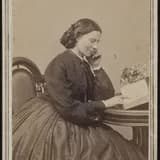
After Second Bull Run, Barton won permission to take supplies directly to the battlefield, expanding her relief work to the front lines.
On August 28, 1862, after the Second Battle of Bull Run, Clara Barton received permission to bring supplies directly to the battlefield. This permission was a turning point in her Civil War work because it allowed her to move from rear-area support to direct relief at the front, where the need was immediate and the danger was greatest.
In the context of nineteenth-century warfare, women rarely traveled close to combat zones, and civilian access to military operations was tightly controlled. Barton’s ability to cross that boundary reflected both her persistence and the confidence military officials placed in her judgment. She was not simply delivering bandages; she was helping reshape how emergency aid could function in wartime, especially when organized medical systems were overwhelmed.
This moment deepened the legacy of Barton’s battlefield service. By carrying supplies to soldiers under fire and witnessing the consequences of combat firsthand, she gained experience that would inform her later organizational work, including the search for missing soldiers and the eventual creation of the American Red Cross. The date marks a clear expansion of her influence from volunteer helper to frontline humanitarian organizer.