← All women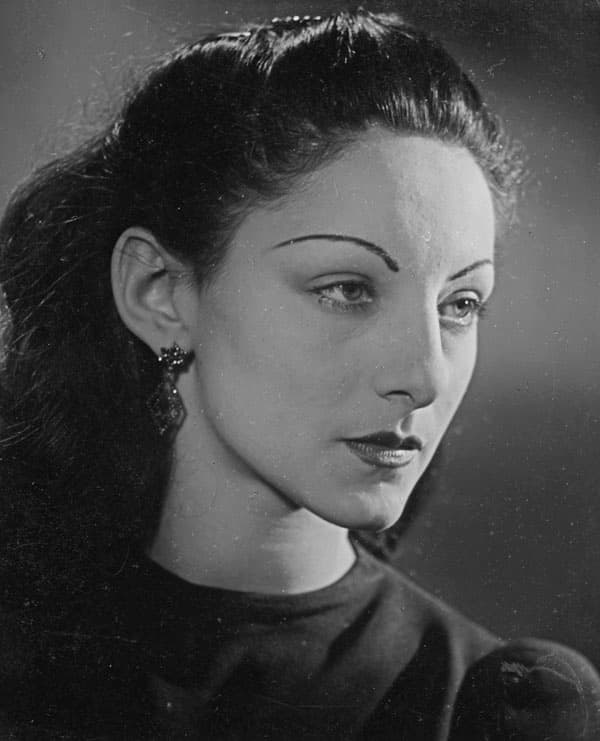
Canadian, British · Arts
Celia Franca
June 25, 1921 – February 19, 2007
Early Life and Background
Celia Franca was born on June 25, 1921, in London, England, to Polish-Jewish immigrant parents who instilled in her a strong work ethic and cultural appreciation. Her early exposure to the arts came from her family's interest in dance and theatre. As a child, she attended ballet classes and showed immense promise early on. She trained at the Guildhall School of Music and the Royal Academy of Dance, where her talents were nurtured by some of the most influential teachers of the time.
Career Beginnings and Development
Celia began her professional career with the Ballet Rambert in 1936 as a dancer and later a choreographer. Throughout the 1940s, she enriched her repertoire with the Sadler's Wells Ballet, achieving considerable acclaim. Her career in England established her as a significant figure in the ballet community, known for her strong stage presence and innovative choreography.
Major Works and Accomplishments
In 1951, Celia was invited to Canada to help establish a national ballet company. Despite financial constraints and cultural skepticism, she founded the National Ballet of Canada in 1951. Under her leadership, the company flourished, becoming a world-class institution. Her determination brought international recognition to Canadian ballet, with works like "Giselle" and "Swan Lake" entering the company’s repertoire under her guidance.
Awards, Honors, and Recognition
Celia Franca was appointed Officer of the Order of Canada in 1967 and promoted to Companion in 1985, recognizing her indelible impact on Canadian culture. She also received numerous honorary degrees and the Governor General's Performing Arts Award for Lifetime Artistic Achievement, which further cemented her legacy as a pioneering figure in the arts.
Personal Life
Celia remained single throughout her life and focused intently on her career, passion for dance, and the success of the National Ballet. Her dedication to the art form was profound, and she often credited her success to staying focused on her professional pursuits.
Legacy and Historical Impact
Celia's contributions went beyond founding a ballet company; she educated audiences and advocated for the arts in Canada. Her tenacity and vision inspired a generation of dancers and choreographers. As the National Ballet's artistic director until 1975, her influence set high standards for excellence and creativity, influencing Canadian and international ballet with style, innovation, and sophistication.
Later Life and Death
After retiring, Celia stayed connected with the ballet world, consulting and mentoring young artists. She passed away on February 19, 2007, in Ottawa, leaving behind a rich legacy that continues to influence Canadian ballet. Her life's work remains celebrated in numerous retrospectives and exhibitions dedicated to her contributions to the arts.
Dated achievements
3 indexed.
- Jun251921Arts
Born in London, England
Celia Franca was born on June 25, 1921, marking the start of a landmark life in ballet.
View details Wikipedia: Celia Franca - Feb121951Arts
Founded the National Ballet of Canada
On February 12, 1951, Celia Franca established the National Ballet of Canada, a pivotal moment in Canadian dance history.