← All women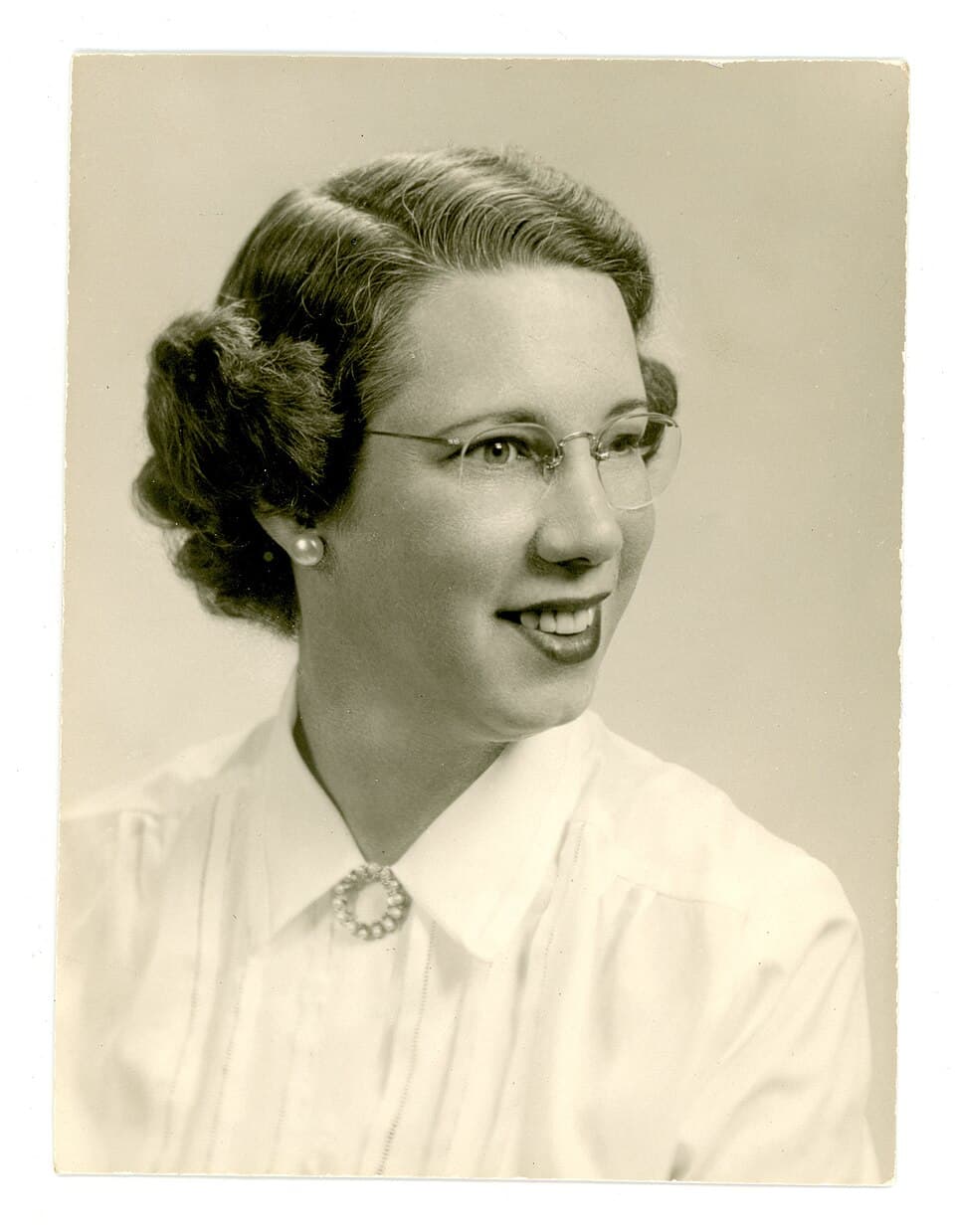
American · Science
Betty Holberton
March 7, 1917 – December 8, 2001
Early Life and Background
Frances Elizabeth "Betty" Holberton was born on March 7, 1917, in Philadelphia, Pennsylvania. She grew up in a time when women were often discouraged from pursuing careers in science and mathematics. Despite these societal norms, she developed an interest in mathematics from a young age. Holberton attended the University of Pennsylvania, initially planning to study journalism in part because it was one of the few fields open to women then.
Career Beginnings and Development
Holberton's career took a pivotal turn during World War II when the U.S. Army was in need of human "computers"—women who could calculate artillery trajectories by hand. She was recruited as a part of this effort and later became one of the six original programmers of the Electronic Numerical Integrator and Computer (ENIAC), the first general-purpose electronic digital computer. This team of women worked without any existing programming languages or manuals, developing their methods from scratch.
Major Works and Accomplishments
As one of the first programmers of ENIAC, Holberton played a crucial role in computer programming's formative years. She also contributed to the development of early programming languages and systems, including UNIVAC I and the creation of the C-10 instruction code. Her innovations helped lay the groundwork for subsequent advancements in computing technology.
Awards and Honors
Holberton received numerous accolades throughout her career. In 1997, she was inducted into the Women in Technology International Hall of Fame, in recognition of her pioneering contributions to computer science. Her work is often cited as foundational in the history of computing, and she was further honored with the Augusta Ada Lovelace Award.
Personal Life
Holberton married John V. Holberton, with whom she had children. Despite the demands of her pioneering work, she maintained a balance between her professional achievements and her family life.
Legacy and Historical Impact
Betty Holberton's legacy continues to influence the field of computer science. She stood as a pioneer and advocate for women in technology, embodying the potential for women to excel in technical fields despite societal constraints. Her early contributions to programming languages and micro-code remain a vital part of computer science's foundation.
Later Life and Death
Betty Holberton continued to work and contribute to the field of computing into her later years. She passed away on December 8, 2001, in Rockville, Maryland. Her work paved the way for future generations of computer scientists, and she remains a celebrated figure in the history of computing.
Dated achievements
2 indexed.