← All women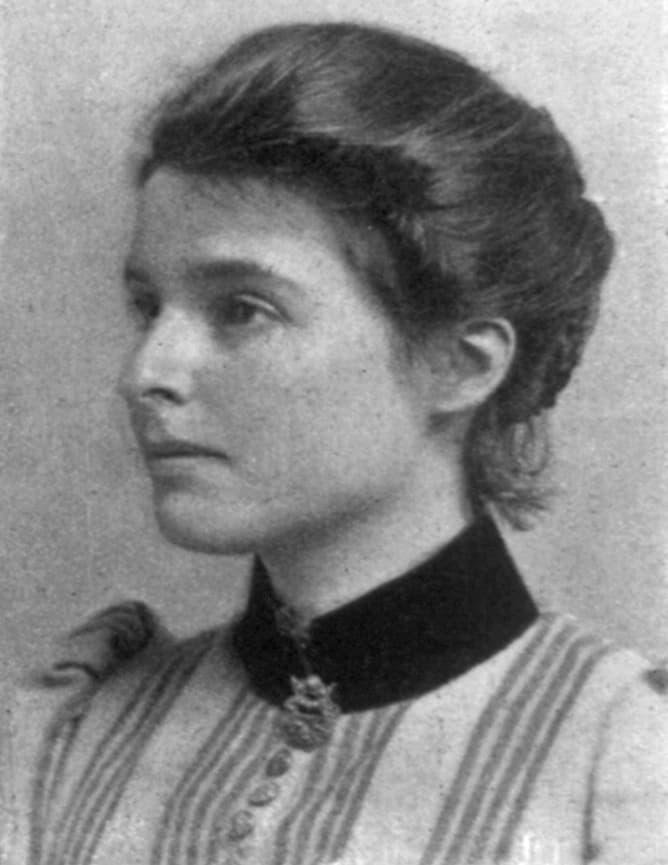
British · Politics · Activism
Beatrice Webb
January 22, 1858 – April 30, 1943
Early Life and Background
Beatrice Webb was born on January 22, 1858, in Standish House, Gloucestershire, England, into the prominent and wealthy Potter family. Her father, Richard Potter, was a railway magnate and a Member of Parliament. Raised in a household that valued both education and social service, Beatrice was exposed to intellectual pursuits and social issues from an early age. Despite receiving no formal higher education due to the gender norms of the era, she was self-taught and engaged with renowned intellectuals, greatly influencing her future work in social reform.
Career Beginnings and Development
Webb's career began when she became a research assistant to Charles Booth, a social investigator and philanthropist, in the 1880s. Her work with Booth on the "Life and Labour of the People in London" profoundly shaped her understanding of poverty and social inequalities. This pivotal experience led Webb to become deeply involved in the study of British society and eventually transform her observations into actionable social policies.
Major Works and Accomplishments
One of Webb's most significant contributions was her role in the formation of the Fabian Society, which aimed at promoting socialist principles through gradual and reformist measures rather than revolutionary action. Alongside her husband, Sidney Webb, she authored influential texts including "The History of Trade Unionism" (1894) and "Industrial Democracy" (1897), which provided comprehensive insights into labor movements and organizational structures. Beatrice was also instrumental in the founding of the London School of Economics in 1895, with a vision to provide rigorous scientific study of social sciences to influence policy.
Awards, Honors, and Recognition
Throughout her career, Webb was recognized for her contributions to economics and social reform. She was a celebrated figure in intellectual circles and earned widespread respect for her pioneering studies in these fields. Her influence extended beyond academia as she laid the groundwork for Britain's modern welfare state.
Personal Life
In 1892, Beatrice married Sidney Webb, a fellow social reformer and Fabian. Their partnership was not only personal but also deeply professional, as the couple collaborated on many of their works and initiatives. They had no children, but their mutual focus on social justice and reform made them one of the most influential couples in British intellectual and political life.
Legacy and Historical Impact
Beatrice Webb's legacy is deeply intertwined with the development of sociology and social policy in Britain. Her unwavering dedication to improving societal structures influenced the creation and expansion of the welfare state. The concepts and institutions she helped to develop, including the LSE, continue to shape public policy and academic inquiry today.
Later Life and Death
Webb continued to work tirelessly into her later years, contributing to the Royal Commission on the Poor Laws and Relief of Distress in 1905–1909. Her work there further solidified her reputation as a key architect of modern social welfare. Beatrice Webb passed away on April 30, 1943, leaving behind a formidable legacy that continues to inspire social reform and academic pursuit.
Dated achievements
2 indexed.
- Jan221858Politics
Birth of Beatrice Webb
Beatrice Webb was born in Standish House, Gloucestershire, England.
View details Wikipedia: Beatrice Webb - Apr301943Politics
Death of Beatrice Webb
Beatrice Webb passed away on April 30, 1943, at her home in Liphook, Hampshire.
View details