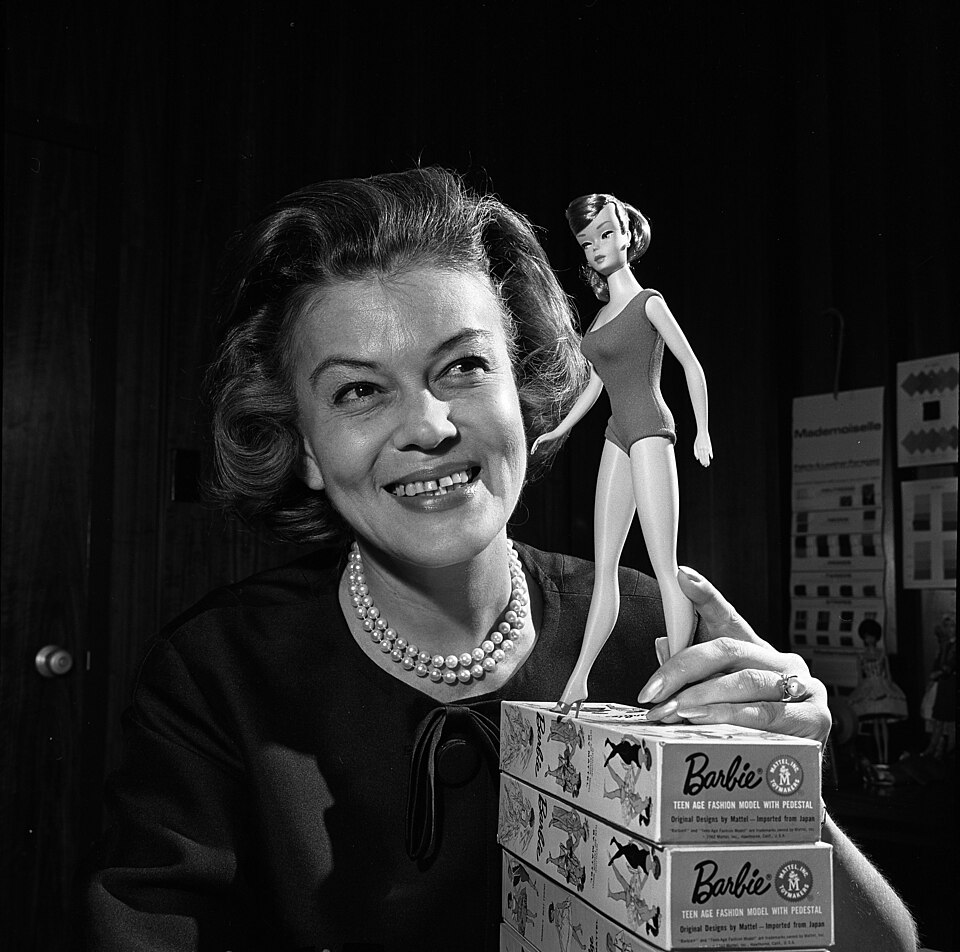
The first Barbie doll, Barbara Millicent Roberts, debuted at the American Toy Fair in New York, becoming the first mass-produced adult-bodied toy doll in the U.S.
On March 9, 1959, the Barbie doll made her public debut at the American Toy Fair in New York City. Created by Ruth Handler, co-founder of Mattel, Barbie was modeled loosely on a German doll called Bild Lilli and was conceived after Handler observed her daughter, also named Barbara, playing with paper dolls and imagining adult roles rather than infant ones.
Barbie represented a radical departure from the baby and toddler dolls that dominated the American toy market at the time. She was the first mass-produced doll in the United States to have an adult female body, complete with a wardrobe reflecting contemporary fashion. This allowed children to imagine Barbie in a variety of careers and life stages, rather than casting them exclusively into a nurturing 'mommy' role with baby dolls.
The doll's debut was met with mixed reactions from toy buyers, some of whom were skeptical that parents would purchase a doll with an adult figure for their children. However, Barbie quickly became a sensation among girls themselves, with Mattel selling hundreds of thousands of units within the first year.
Barbie's introduction is widely regarded as a turning point in the toy industry and in the cultural history of childhood play, paving the way for the doll's subsequent evolution into astronaut, doctor, and presidential candidate personas that would, over the decades, reflect and sometimes anticipate shifting societal attitudes toward women's roles.
Images