← All women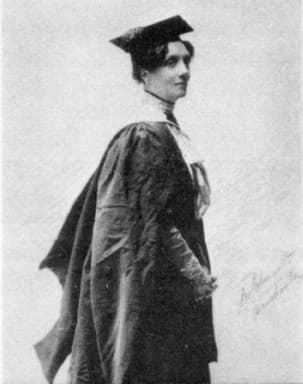
British · Arts
Annie Horniman
October 3, 1860 – August 6, 1937
Early Life and Background
Annie Elizabeth Fredericka Horniman was born on October 3, 1860, in Forest Hill, London, into the affluent Horniman family, known for their tea trade. Her father, Frederick John Horniman, was a notable tea merchant and founder of the Horniman Museum. Raised in an environment that valued art and culture, Annie exhibited an early interest in drama and the performing arts, which was further nurtured by her attendance at the Slade School of Fine Art.
Career Beginnings and Development
Annie’s career in theatre began in earnest after her involvement with the Abbey Theatre in Dublin, where she served as a key patron and administrator, contributing to the Irish Literary Revival. Her support in purchasing the Mechanics' Institute for the Abbey Theatre was critical, and her leadership skills were honed through this experience.
Major Works, Discoveries, or Accomplishments
Horniman’s most famed achievement was the establishment of the Gaiety Theatre in Manchester in 1908 — the first repertory theatre in England. By producing a regular schedule of both classic plays and new works, she offered opportunities to emerging playwrights like G.B. Shaw and nurtured local talent. This initiative was pioneering as it democratized theatre access, allowing the public to enjoy quality productions at affordable prices.
Awards, Honors, and Recognition
Her contribution to theatre was recognized in 1933 when she received the honorary freedom of the city of Manchester. Despite initial resistance from traditional theatrical circles, her dedication to the arts won her immense respect and a lasting legacy.
Personal Life
Annie never married, dedicating her life entirely to her craft and philanthropic interests. She was known for her bohemian lifestyle and was part of the Hermetic Order of the Golden Dawn, reflecting her diverse interests and social circles.
Legacy and Historical Impact
Horniman's legacy endures in her innovative approach to theatre management, her support for new talent, and her ability to provide the arts to a broader audience. The repertory model she pioneered forms the backbone of contemporary theatre production. Additionally, the Abbey Theatre remains a significant cultural institution, a testament to her early contributions.
Later Life and Death
Annie continued to be involved in theatre management and promotion until her declining years. She passed away on August 6, 1937, leaving behind a transformed British theatre landscape and a generation of playwrights and actors who benefited from her vision.
Dated achievements
2 indexed.
- Oct031860Arts
Birth of Annie Horniman
Birth of Annie Horniman, a pivotal figure in the modern theatre movement, on October 3, 1860.
View details Annie Horniman - Wikipedia - Aug061937Arts
Death of Annie Horniman
Annie Horniman, a leading figure in theatre arts, died on August 6, 1937.
View details