← All women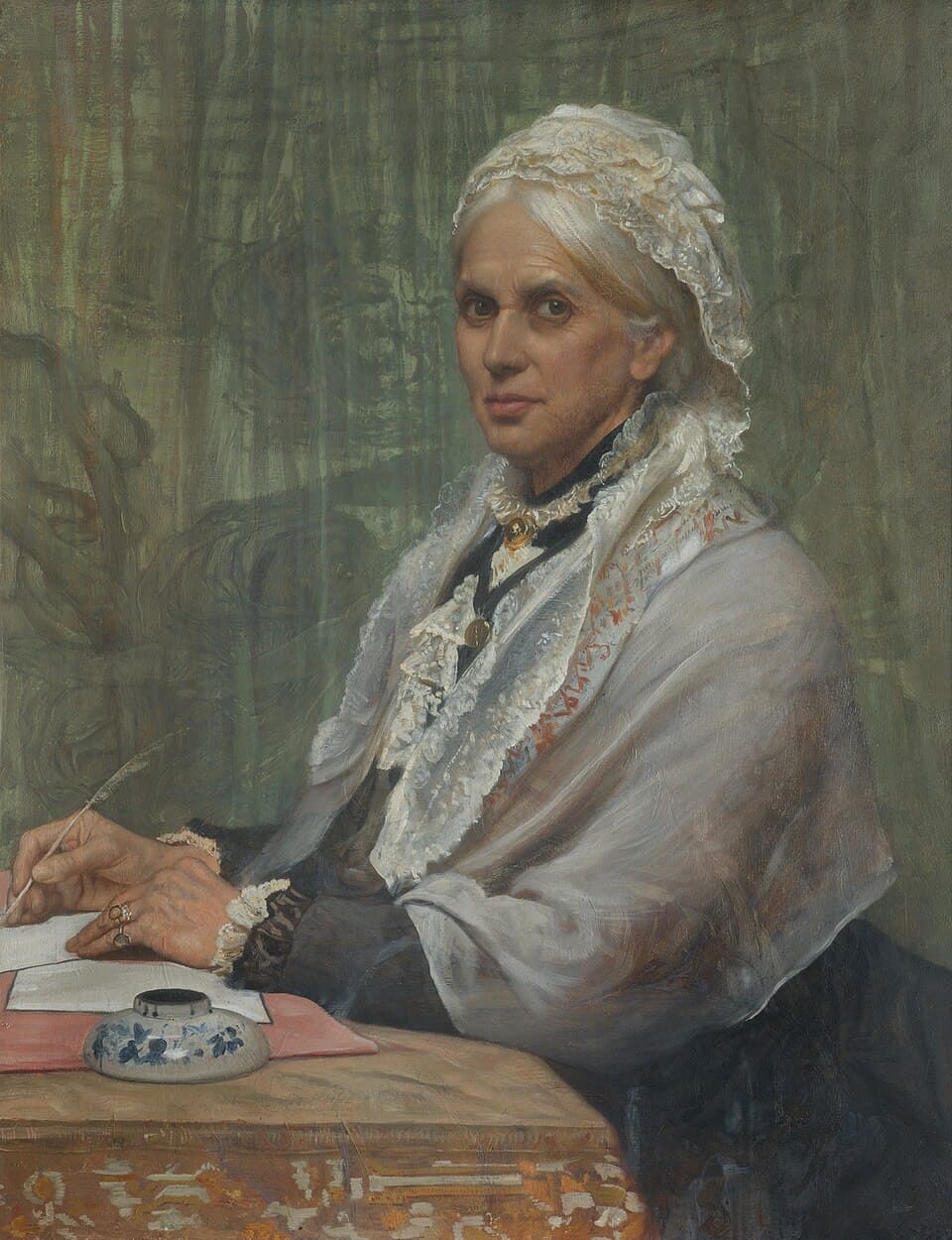
British · Activism · Science
Anne Clough
January 20, 1820 – February 27, 1892
Early Life and Background
Anne Jemima Clough was born on January 20, 1820, in Liverpool, England, to James Butler Clough and Anne Perfect. She was part of a distinguished family, her brother Arthur Hugh Clough being a notable poet. Her family's liberal and intellectual environment profoundly influenced her early years, fostering a commitment to education and reform.
She received a limited but quality education, primarily self-directed, due to the societal norms that restricted women's access to formal education at the time. This early experience with gender barriers in education prompted her lifelong mission to advocate for women's educational rights.
Career Beginnings and Development
Clough began her educational career by establishing a small school in Ambleside in 1852. Her ambition was to offer girls a thorough education, equivalent to what boys received. The school was modest, yet it laid the groundwork for her later achievements.
In 1864, Clough moved to Combe Hurst in Surrey to manage an educational institution, which served as a precursor to her more significant educational enterprises. During this period, she encountered struggles typical for women educators, who faced skepticism and often indifference from the male-dominated educational arena.
Major Works, Discoveries, or Accomplishments
Anne Clough's most notable contribution came in 1871 when she became the first principal of Newnham College, Cambridge. Newnham was founded in response to the growing demand for female access to higher education. Under her leadership, Newnham College became a pioneer in providing women with an education on par with that offered to men.
Her role involved not just managing the college, but also advocating tirelessly for women's rights to university education. Her efforts contributed to the eventual acceptance of women in higher education institutions across the UK.
Awards, Honors, and Recognition
Though formal awards and honors for women in education were rare during her lifetime, Clough was widely respected in educational circles. Her posthumous recognition includes being celebrated as a herald of the women's education movement.
Legacy and Historical Impact
Anne Jemima Clough is remembered as a trailblazing advocate for women's higher education. Her work at Newnham College set a precedent for subsequent educational reforms, enabling future generations of women to access the academic opportunities that had been traditionally denied to them.
The educational landscape for women in the UK and beyond owes much to her vision and perseverance. Her legacy lives on in the continued success and expansion of institutions like Newnham College.
Later Life and Death
Anne Clough continued her work at Newnham College until her death on February 27, 1892. She passed away in Cambridge, leaving behind a legacy of education reform and a foundation upon which future equality in education could be built.
Dated achievements
3 indexed.
- Jan201820Activism
Birth of Anne Jemima Clough
Anne Jemima Clough was born in Liverpool, England, on 20 January 1820, later becoming a pioneering advocate for women's higher education.
View details Anne Clough - Wikipedia - Oct011871Activism
Appointed first Principal of Newnham Hall, Cambridge
Clough became the first Principal of what evolved into Newnham College, Cambridge, one of the earliest institutions for women's higher education in Britain.