← All women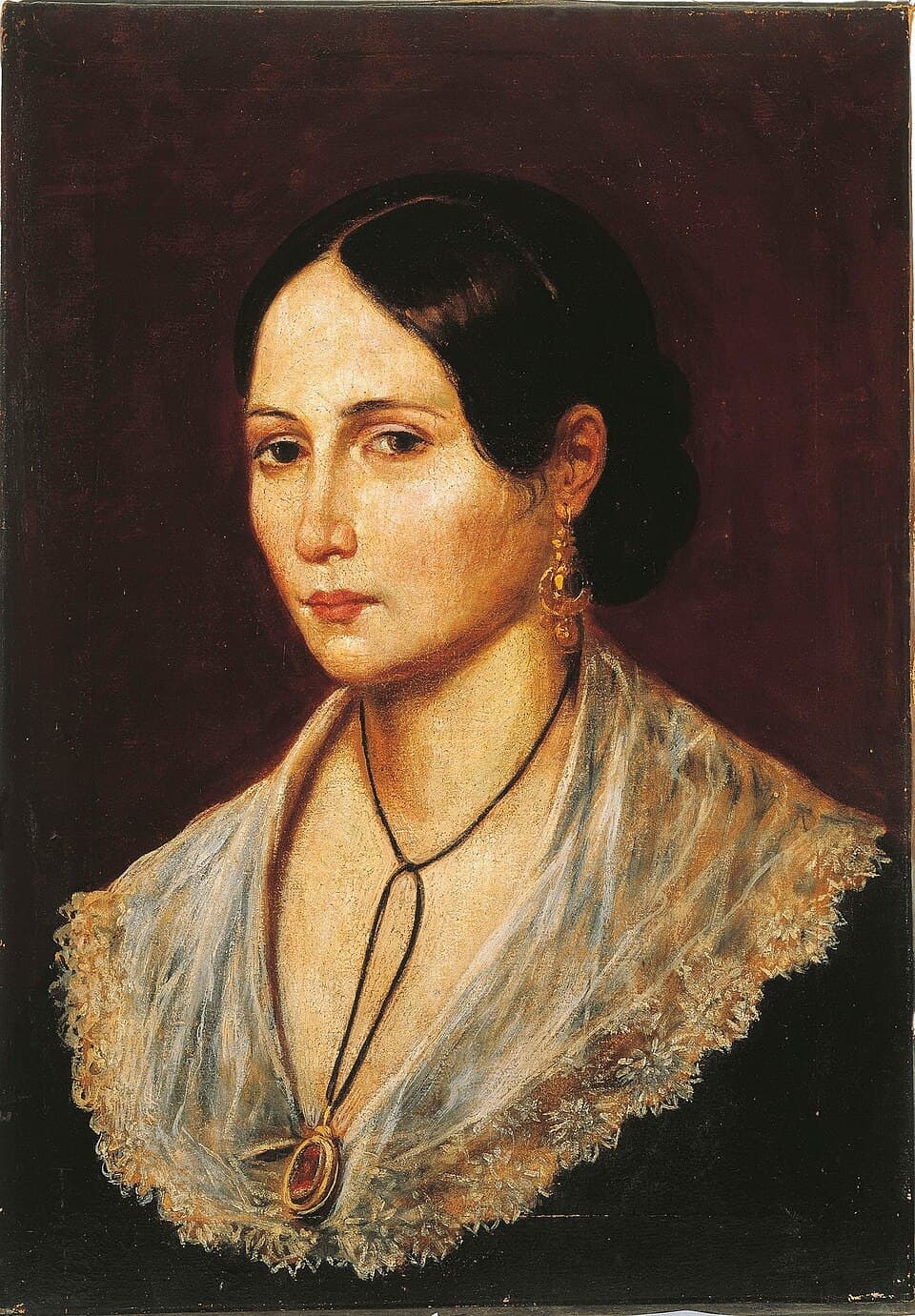
Brazilian, Italian · Politics · Activism
Anita Garibaldi
August 30, 1821 – August 4, 1849
Early Life and Background
Born on August 30, 1821, in Morrinhos, Santa Catarina, Brazil, Ana Maria de Jesus Ribeiro da Silva, later known as Anita Garibaldi, was the daughter of Bento Ribeiro da Silva and Maria Antonia de Jesus Antunes. Growing up in a humble household, Anita developed a strong sense of independence and a passion for adventure, qualities that would define her future endeavors. Little is documented about her early education, but her ability to adapt and learn quickly could be attributed to the challenging environment she was raised in.
Career Beginnings and Development
Anita's life took a significant turn when she met Giuseppe Garibaldi in 1839 in Laguna, Brazil, during the Farroupilha Revolution, also known as the Ragamuffin War. At the time, Brazil was undergoing a series of revolutionary upheavals, and Anita, inspired by the ideals of freedom and resistance, joined the ranks of the Farrapos rebels. Her meeting with Garibaldi not only marked the beginning of a legendary partnership but also immersed her into the heart of revolutionary activities both in Brazil and across the Atlantic.
Major Works and Accomplishments
Renowned for her acts of courage and support during the liberation struggles, Anita Garibaldi fought alongside her husband in several crucial battles. Her prominence arose during the Italian unification wars, where she displayed remarkable tenacity and bravery. Known as the 'Heroine of Two Worlds,' Anita contributed significantly during the battles of Rio Grande and the defense of Montevideo, among others, underscoring her commitment to the cause of freedom.
Awards, Honors, and Recognition
Although Anita received no formal awards during her lifetime, her legacy has been immortalized through various historical commemorations and monuments in both Italy and Brazil. Streets, plazas, and public structures bearing her name serve as testaments to her enduring impact on revolutionary history and her role as an emblem of female strength and resilience.
Personal Life
Anita and Giuseppe Garibaldi's relationship was marked by mutual respect and shared ideals. The couple had four children: Menotti, Ricciotti, Teresita, and Ricciotti Junior. Anita's dedication to the revolutionary cause often placed her family in perilous situations, yet she remained steadfast in her beliefs. Her partnership with Giuseppe is celebrated as one of the great romances of the revolutionary era, bound by shared goals and unwavering support for each other.
Legacy and Historical Impact
Anita Garibaldi's legacy is profound, symbolizing the struggle for freedom and the transformative power of courage in the face of adversity. Her actions not only supported the Risorgimento but also inspired future generations of women to embrace active roles in political and social movements. Historical sites bearing her legacy demonstrate a continuous reverence for her contribution to national and international liberation efforts.
Later Life and Death
Tragically, Anita Garibaldi's life was cut short on August 4, 1849, when she died due to a combination of malarial fever and complications arising from fleeing with her husband from pursuing Austrian forces. Her death in Mandriole di Ravenna, Italy, marked the end of an era of intense activism and revolutionary action.
Dated achievements
3 indexed.
- Aug301821Science
Birth of Anita Garibaldi in Laguna, Brazil
Ana Maria de Jesus Ribeiro was born in Laguna, Santa Catarina, Brazil, on August 30, 1821.
View details Wikipedia: Anita Garibaldi - Nov091839Exploration
Fights alongside Giuseppe Garibaldi at the Battle of Imbituba/Laguna campaign
Anita joined Giuseppe Garibaldi's forces in the Ragamuffin War, becoming one of history's few women combatants fighting alongside her partner in battle.