← All women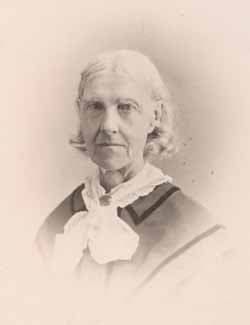
American · Activism · Literature · Politics
Angelina Grimké
February 20, 1805 – October 26, 1879
Early Life and Background
Angelina Emily Grimké was born on February 20, 1805, in Charleston, South Carolina, into a prominent slaveholding family. Raised in a deeply conservative environment, Angelina was profoundly impacted by the contradictions between her family's beliefs and her own emerging moral convictions. She was educated in a manner befitting young women of her social class, yet she always felt constrained by societal norms.
Angelina's independent spirit led her to question the moral foundation of slavery, increasingly finding herself at odds with her family and Southern society. Her move to Philadelphia in 1829 marked a turning point as she joined the Religious Society of Friends (Quakers).
Career Beginnings and Development
The Grimké sisters, Angelina and Sarah, became the first female advocates of abolition and women’s rights. They began their public career as abolitionists by writing letters and essays arguing that slavery was a moral wrong. Angelina's letter to William Lloyd Garrison in 1835 was published in "The Liberator," introducing her as a bold voice for change.
In 1838, Angelina became the first woman to address a legislative body in the United States when she spoke before the Massachusetts State Legislature on antislavery petitions. She used her platform to argue not only against slavery but for women's right to a voice in public life.
Major Works, Discoveries, or Accomplishments
Angelina Grimké's most influential work, "Appeal to the Christian Women of the South" (1836), was an attempt to persuade Southern women to use their moral authority and domestic influence to end slavery. Despite being barred from public speaking in her native South, her writings reached a wide audience.
Her involvement in the 1837 Anti-Slavery Convention of American Women was significant. She delivered fiery speeches that underscored her commitment to human rights, catalyzing greater involvement of women in public activism.
Personal Life
In 1838, she married fellow abolitionist Theodore Dwight Weld. Together, they worked tirelessly to advance their causes. The marriage symbolized a partnership not only in life but also in their advocacy work. Angelina took the last name Weld but continued to be recognized as Angelina Grimké.
Legacy and Historical Impact
Angelina Grimké's legacy is profound. She was a pioneer in both the abolitionist and early feminist movements, advocating for civil liberties eloquently and passionately. Her courage in addressing issues of gender and racial equality at a time of intense backlash against women expressing their views publicly is a testament to her unwavering resolve for justice.
The contributions of Angelina and her sister Sarah established them as seminal figures in American reform history, laying the groundwork for subsequent civil rights activism.
Later Life and Death
After the Civil War, Angelina continued to advocate for the rights of women and African Americans. Her later years were less visible in public activism, focusing more on her writing and familial duties. Angelina died on October 26, 1879, in Hyde Park, Massachusetts, leaving behind a powerful legacy of advocacy and reform.
Dated achievements
2 indexed.
- Feb201805Activism
Birth of Angelina Grimké
Angelina Grimké was born on February 20, 1805.
View details Angelina Grimké Weld Biography - Oct261879