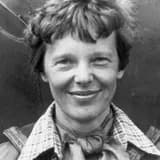
Departed Oakland for Honolulu on the first leg of her round-the-world attempt; the flight ended days later when her Electra crashed on takeoff at Luke Field.
On March 17, 1937, Amelia Earhart departed Oakland, California, bound for Honolulu, Hawaii, on the first leg of her ambitious attempt to become the first woman to fly around the world at its equatorial, and therefore longest, circumference — approximately 29,000 miles.
Flying her twin-engine Lockheed Electra 10E, accompanied by navigators Fred Noonan, Harry Manning, and technical advisor Paul Mantz, Earhart successfully completed this initial Pacific crossing. However, the attempt came to an abrupt and dangerous halt on March 20, 1937, when the heavily fuel-laden Electra ground-looped during takeoff from Luke Field in Hawaii, suffering significant damage to its landing gear and propellers.
Remarkably, none of the crew were seriously injured, but the aircraft required extensive repairs, forcing Earhart to ship the Electra back to California and postpone her round-the-world attempt by several months while repairs were completed and the flight plan was reconfigured to travel west-to-east instead.
This aborted first attempt illustrates the immense technical and logistical challenges inherent in Earhart's final, most ambitious undertaking, foreshadowing the fine margins between triumph and catastrophe that would tragically characterize her ultimate fate just months later on the second, fatal attempt.