← All women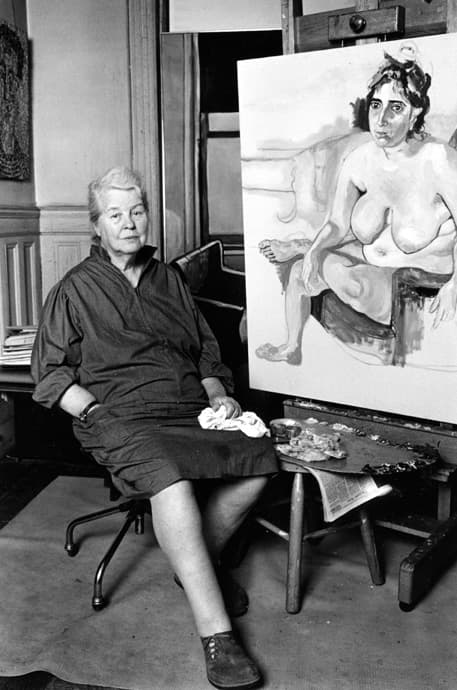
American · Arts
Alice Neel
January 28, 1900 – October 13, 1984
Early Life and Background
Alice Neel was born on January 28, 1900, in Gladwyne, Pennsylvania. She was the fourth of five children in a modest family. Her father was a clerk in the United States Patent Office. Neel's early life was marked by the societal constraints placed on women during the early 20th century, family expectations, and personal losses, which would later deeply influence her artistic voice. She attended the Philadelphia School of Design for Women (now Moore College of Art & Design), where she received formal art education, embracing modernist influences.
Career Beginnings and Development
Neel began her career in the late 1920s, painting portraits and exploring themes of social conscience and psychological insight. Her early work was heavily influenced by her personal experiences and the socio-political climate. In the 1930s, she lived in New York City, where her exposure to the diverse urban environment and its inhabitants profoundly impacted her work. During this time, she developed her distinctive style of portraiture, characterized by intimate and empathetic depictions of her subjects.
Major Works and Accomplishments
Despite facing numerous personal challenges, including poverty and periods of mental illness, Neel continued to paint prolifically. Her subjects ranged from fellow artists and writers to everyday people, portraying a rich diversity reflective of American society. Notable works include portraits of prominent figures such as Andy Warhol and Frank O'Hara, and her paintings have been recognized for their bold colors and psychological depth, breaking traditional boundaries of portraiture.
Awards, Honors, and Recognition
Neel’s work began to gain significant recognition in the 1970s. She received the Women's Caucus for Art award in 1979, among other honors, as institutions began to reevaluate her contributions to contemporary art. Her exhibitions, particularly in major galleries like the Whitney Museum, helped solidify her legacy as a key figure in American art.
Personal Life
Alice Neel's personal life was complex and often tumultuous. She was married to Cuban painter Carlos Enríquez in 1925, and they had two daughters, Santillana and Isabetta. Neel's relationship with Enríquez was strained, influencing her emotional and artistic development. Subsequent relationships also impacted her, and she remained resilient in her pursuit of art despite personal and financial hardships.
Legacy and Historical Impact
Alice Neel's legacy is one of resilience and profound influence. Her unflinching commitment to her art, regardless of recognition, paved the way for future generations of artists, particularly women. Her works are celebrated for their exploration of identity, discomfort, and the human condition. Neel’s life and art continue to inspire discussions about gender, agency, and expression in art.
Later Life and Death
Neel continued to work and exhibit her paintings well into her later years. She passed away on October 13, 1984, in New York City, leaving behind a formidable body of work that continues to attract interest and admiration. Her persistence and the eventual recognition of her work testify to her enduring influence and contribution to the arts.
Dated achievements
2 indexed.
- Jan281900Arts
Birth of Alice Neel
Alice Neel was born in Merion Square, Pennsylvania, on January 28, 1900, later becoming one of America's foremost portrait painters.
View details Alice Neel - Wikipedia - Oct131984Arts
Death of Alice Neel in New York City
Alice Neel died on October 13, 1984, in New York City at age 84, shortly after completing her final self-portrait.