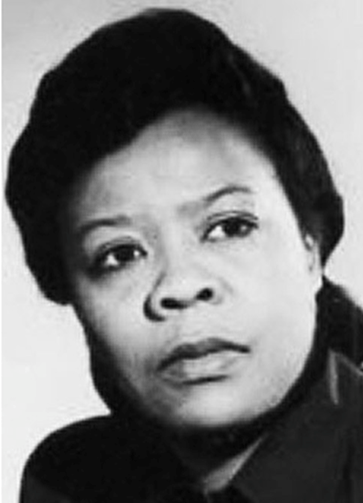
Alice H. Parker received U.S. Patent No. 1,325,905 for a natural gas-fueled central heating furnace, a pioneering advance in home heating technology.
On December 23, 1919, Alice H. Parker was granted U.S. Patent No. 1,325,905 for a novel heating furnace design that used natural gas as fuel to heat individual air chambers, which then distributed warm air through ductwork to different rooms of a house. Prior to her invention, most homes relied on wood- or coal-burning stoves and fireplaces, which were labor-intensive, uneven in heat distribution, and posed fire hazards.
Parker's design was revolutionary in that it proposed a zoned, thermostatically-influenced approach to heating, allowing different areas of a home to be heated independently — a concept that presaged modern central heating and forced-air furnace systems. Though her exact furnace was never manufactured as originally designed due to technical limitations of the era's gas lines and safety concerns, the underlying principles she introduced influenced the trajectory of HVAC engineering for decades to come.
As an African American woman inventor in the early 20th century, Parker faced significant barriers: patent records of the era rarely captured details about inventors' race or gender, and few women — let alone Black women — had access to formal engineering training or capital to commercialize inventions. Her patent stands as a remarkable achievement of ingenuity overcoming systemic exclusion, and she is now widely celebrated as a pioneering figure in the history of heating technology and Black American innovation.
Images