← All women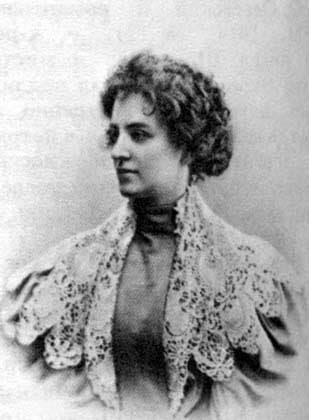
Russian · Arts · Literature
Zinaida Gippius
November 20, 1869 – September 9, 1945
Early Life and Background
Zinaida Nikolayevna Gippius was born on November 20, 1869, in Belyov, Russia, into a family with noble bloodlines. Her father, Nikolai Romanovich Gippius, was a lawyer, and her mother, Anastasia Vasilyevna Stepanova, was an intellectual force within the household. Gippius’ early life was marked by frequent family relocations due to her father's professional engagements, which exposed her to diverse cultural and social environments across Russia. Influenced early by literature and the arts, Gippius was educated privately at home, fostering a lifelong inclination toward literary endeavors.
Career Beginnings and Development
Gippius began her literary career in the late 19th century, penning her first poem at the age of 18. Her work quickly gained attention for its bold and introspective nature. In 1889, she married the writer Dmitry Merezhkovsky, who shared her broad intellectual interests. Together, they became central figures in the Russian Symbolist movement, hosting literary salons that became cultural hubs for artists, writers, and intellectuals. Gippius published her first poetry collection, "Verses. 1889–1903," which was considered groundbreaking.
Major Works and Achievements
Gippius’ literary output was prolific and diverse, encompassing poetry, novels, plays, and essays. Her works often explored themes of existentialism, spirituality, and gender, challenging societal norms and provoking thought. Notable among her works is the poetry collection "Collection of Poems. 1889–1903," which cemented her role as a key figure in the Russian Symbolist movement. Her biting social commentaries and innovative literary style made her one of the most significant literary figures of the Silver Age of Russian culture.
Awards, Honors, and Recognition
Despite the controversies her works sometimes provoked due to their radical themes, Gippius achieved substantial acclaim within literary circles. Her salons were renowned across Europe, drawing in some of the leading intellectuals of the time, further establishing her as an influential voice in the European cultural milieu.
Personal Life
Zinaida's marriage to Dmitry Merezhkovsky was not only a partnership in literature but also a unique collaboration of intellect. Despite Gippius' struggles with health issues throughout her life, including severe depression, her personal and professional life remained intertwined in the Russian literary scene through her marriage and correspondences.
Legacy and Impact
Zinaida Gippius' legacy lies in her fearless exploration of human emotions and societal critiques. Her influence on Russian literature persists through her contributions to Symbolism, and her bold examination of moral and spiritual themes set her works apart as culturally significant explorations of the human spirit. Her strong feminist messages and examination of sexual and personal identity challenged and influenced future writers and thinkers.
Later Life and Death
The Bolshevik Revolution forced Gippius and Merezhkovsky into emigration in 1919. They eventually settled in Paris, continuing their literary and intellectual activities within the emigre community. Zinaida Gippius passed away in Paris on September 9, 1945. Her life and works continue to be a subject of study, reflecting the turbulent era in which she lived and her enduring impact on Russian literature.
Dated achievements
1 indexed.
- Nov201869Literature
Birth of Zinaida Gippius
Zinaida Gippius, renowned poet and Symbolist, was born on Nov. 20, 1869.
View details Wikipedia: Zinaida Gippius