← All women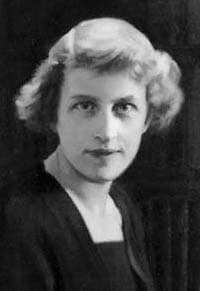
British · Literature · Activism
Winifred Holtby
June 23, 1898 – September 29, 1935
Early Life and Background
Winifred Holtby was born on June 23, 1898, in Rudston, Yorkshire, England. She was the daughter of David Holtby, a prosperous farmer, and Alice Holtby, who later become an alderman. Holtby’s early life in the Yorkshire Wolds deeply influenced her literary works. After attending Queen Margaret's School in Scarborough, she went on to Somerville College, Oxford, where her friendship with the writer Vera Brittain began, a relationship that profoundly shaped both women's lives and writings.
Career Beginnings and Development
Holtby left Oxford to serve as a nursemaid during World War I, after which she returned to complete her education. She then moved to London and began her career as a writer and journalist, starting with short articles on a range of topics before securing more substantial work. Writing for publications such as The Manchester Guardian and Punch, Holtby sought to discuss the social and political issues of the day with a focus on gender equality and social reform.
Major Works and Accomplishments
Among Holtby's most notable works is her novel South Riding, published posthumously in 1936. This novel illuminates the lives of residents in a rural English community, addressing themes of social justice, education, and feminism. Holtby’s interest in women’s rights and equality is evident throughout her writings. Beyond her novels, she was a consistent contributor to feminist discourse, helping to further causes she held dear, such as the education and empowerment of women in South Africa.
Awards, Honors, and Recognition
During her lifetime, Holtby was well-respected for her intellectual contributions to social debate and literature, despite not receiving formal awards. Her posthumous recognition grew significantly as her works continued to be read and appreciated for their insight into British society and feminist ideologies.
Personal Life and Relationships
Holtby lived an active social life in London and counted among her friends some of Britain's most prominent writers and intellectuals, including her lifelong friend Vera Brittain. Although possibly fleeting romantic liaisons are alluded to in personal writings, Holtby never married.
Legacy and Historical Impact
Winifred Holtby's legacy is marked by her strong advocacy for women's rights and her critique of social inequities through her writings. South Riding and her other works continue to contribute to discussions of social justice and equality. Her novels and essays greatly influenced subsequent feminist movements in Britain and continue to resonate with readers and scholars alike.
Later Life and Death
Winifred Holtby’s health began to decline due to kidney disease, which was diagnosed as Bright’s disease. She bravely continued working until her death on September 29, 1935. Her premature passing was a significant loss to the literary and political fields she so ardently enriched.
Dated achievements
2 indexed.
- Jun231898Literature
Birth of Winifred Holtby in Rudston, Yorkshire
Winifred Holtby was born on 23 June 1898 in Rudston, East Riding of Yorkshire, England, to a farming family.
View details Winifred Holtby - Wikipedia - Sep291935Literature
Death of Winifred Holtby in London
Winifred Holtby died on 29 September 1935 in London at age 37 from kidney disease (Bright's disease), shortly before her masterwork South Riding was published.